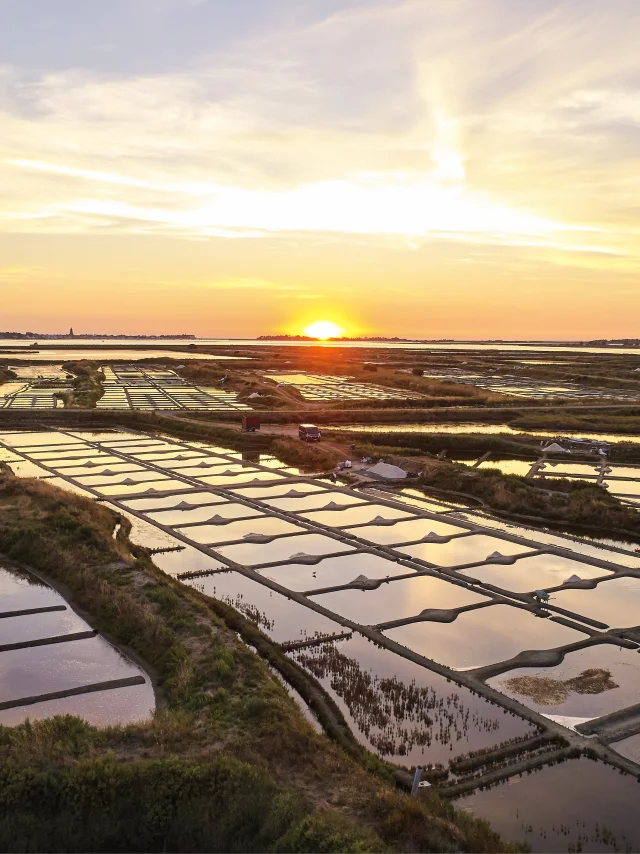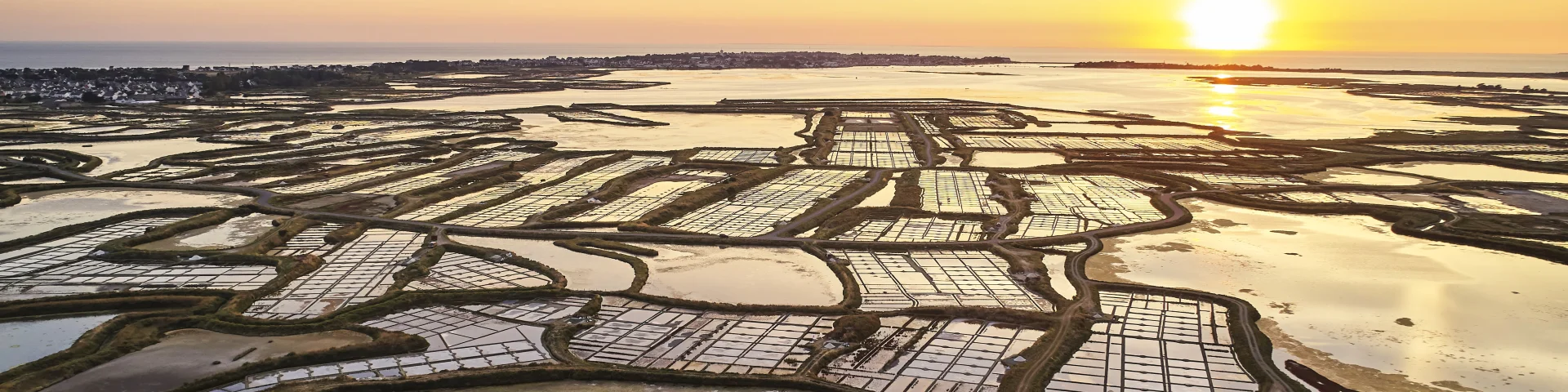
Guérande salt marshes - SunsetGuérande salt marshes - Sunset
©Guérande salt marshes - Sunset|Alexandre Lamoureux

Salt marshes

Ajouter aux favoris

Discover the salt marshes of the Guérande peninsula: a unique landscape shaped by generations of salt workers, home to exceptional biodiversity.

A mosaic between land and sea

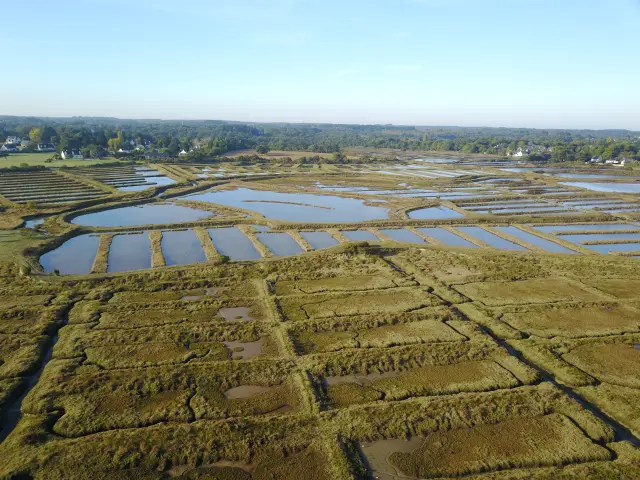
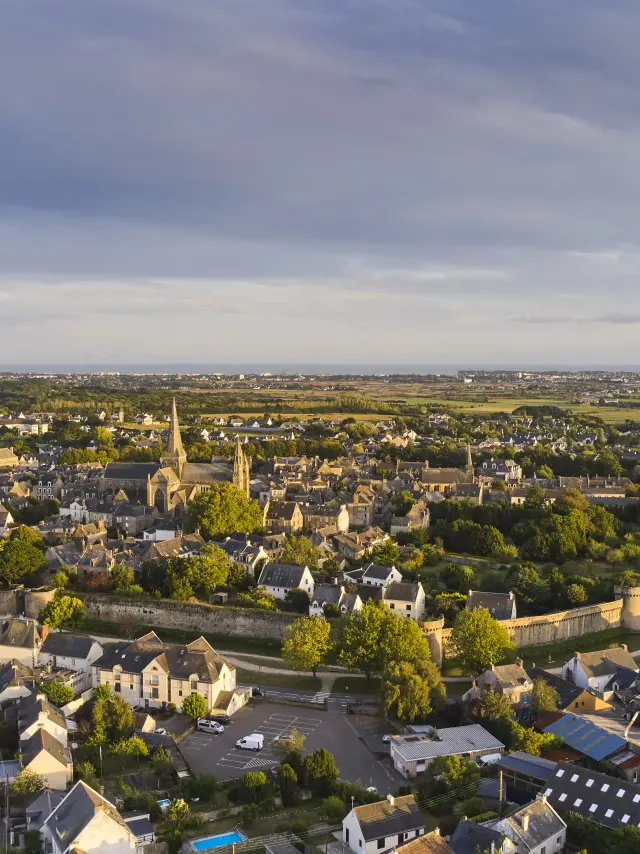
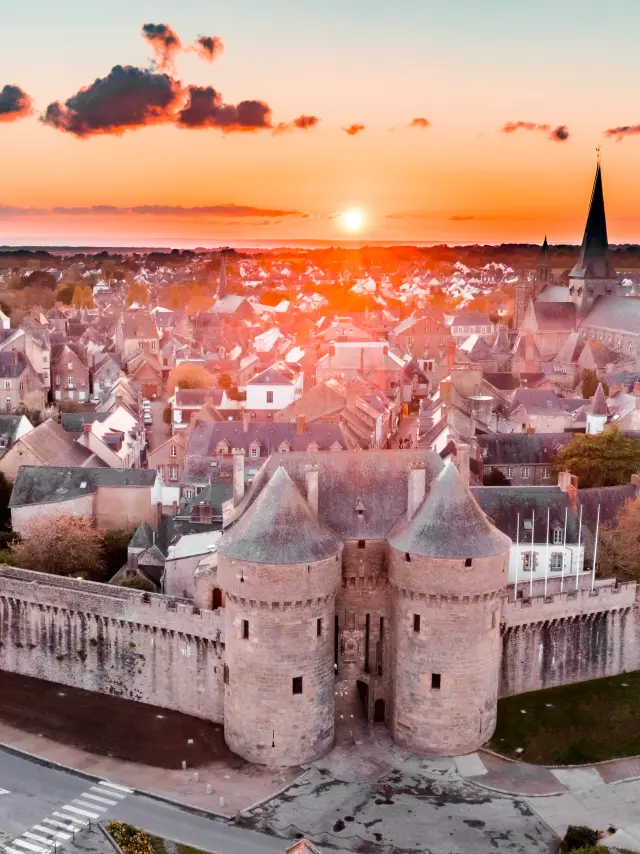
Stretching from the Croisic peninsula to the medieval town of Guérande,the salt marshes form a living, changing landscape.For over 1,000 years, salt workers have been harvesting white gold using the same precise methods, handed down from generation to generation. The 2,000 hectares of salt marshes are a breathtaking sight.

Classified as a Site of Exceptional Taste and a Natura 2000 zone, the salt works are home to an exceptional biodiversity: spoonbills, elegant avocets, white stilts, saltwort and halophilous plants all find an ideal refuge here. To observe this fauna and flora is to plunge into the heart of aunique ecosystem where each element plays its part in the balance of the marsh…
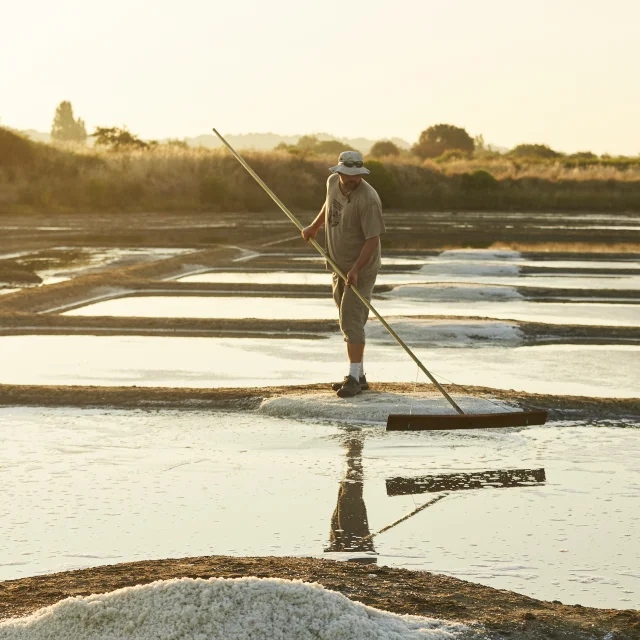
At the meeting salt workers

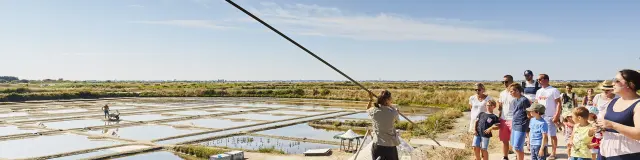
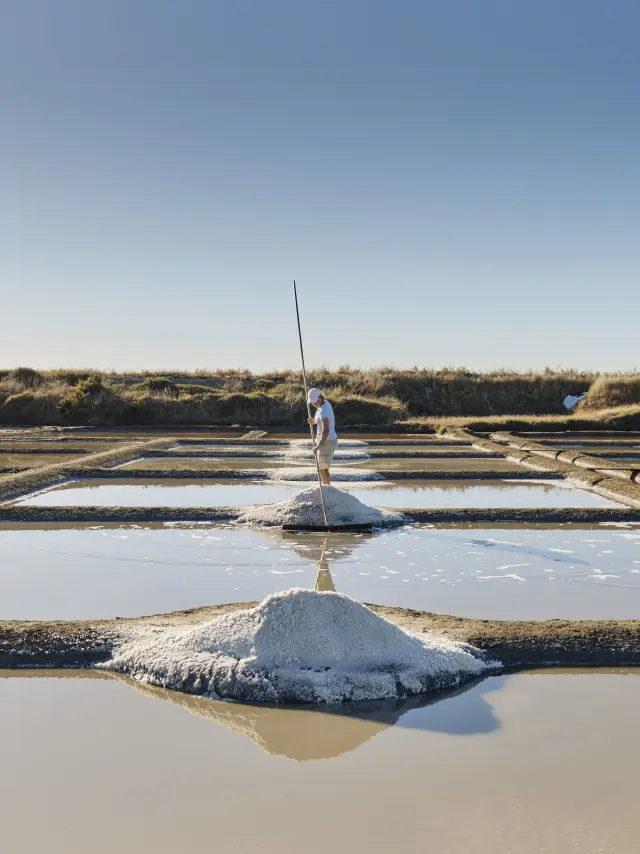
The salt marshes can be visited at any time of year, depending on the landscape and the light. With a guide, discover the essential role played by water, wind and sun in the crystallisation of salt. Watch the salt worker at work, from harvesting flower of salt to coarse salt. Terre de Sel, La Maison des Paludiers and the Musée des Marais Salants in Batz-sur-Mer will give you a better understanding of this exceptional living heritage. Many independent salt workers also open their doors to share their passion and sell their produce directly.

The Bassin du Mès, which stretches between Mesquer, Saint-Molf and Assérac, completes this wealth of salt production, while offering nature walks where egrets, avocets and terns accompany your discoveries.

Salt White gold

Each grain of salt is the fruit of constant care andknow-how handed down from generation to generation. The salt marshes are a living place, where nature and the salt workers work together to create this precious white gold.

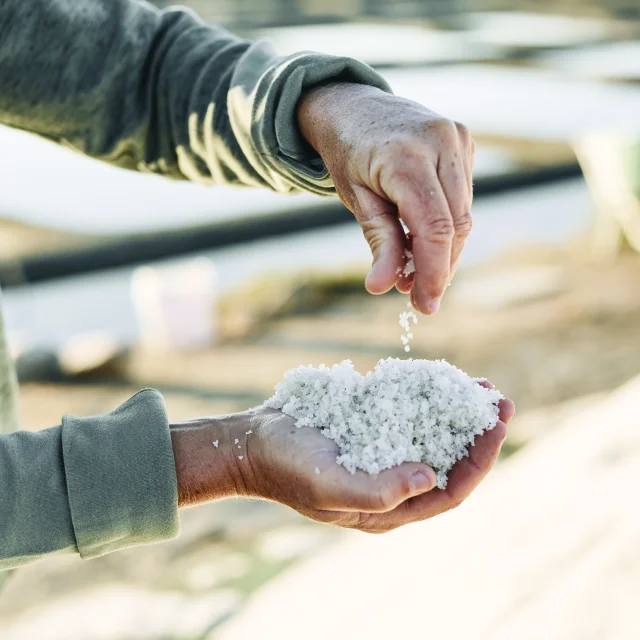
It comes in several forms, each with its own special characteristics. Flower of salt, fine and fragile, is harvested from the surface of the carnations and melts delicately on the tongue, ideal for enhancing dishes. Coarse salt, more robust, is perfect for cooking or preserving food. Today, some salt workers are also creating flavoured salts, enriched with herbs, spices or citrus fruit, to bring out new tastes.

The salt workers work tirelessly all year round, shaping the basins, canals and carnations in preparation for each harvest. Summer marks the most eagerly awaited period: the salt harvest, a delicate moment when quality depends on precise factors such as wind and sun.

Explore an unspoilt region

The Rostu marsh, located in the communes of Mesquer and Saint-Molf, is a remarkable natural site that is unique in the region. It is the only salt marsh open to the public, thanks to the work of the Conservatoire du Littoral. Accessible via a pathway and a bird observatory, the site offers a unique opportunity to immerse yourself in the heart of the salt marsh landscape.

Visitors can discover marshes that are still used for traditional salt harvesting and aquaculture, in particular shrimp and shellfish farming. Several ponds have been restored to encourage the nesting of various protected bird species, making the Rostu marsh a place to discover and raise awareness of biodiversity.

Welcome to an area recognised as the Best Urban Area for Biodiversity 2025!