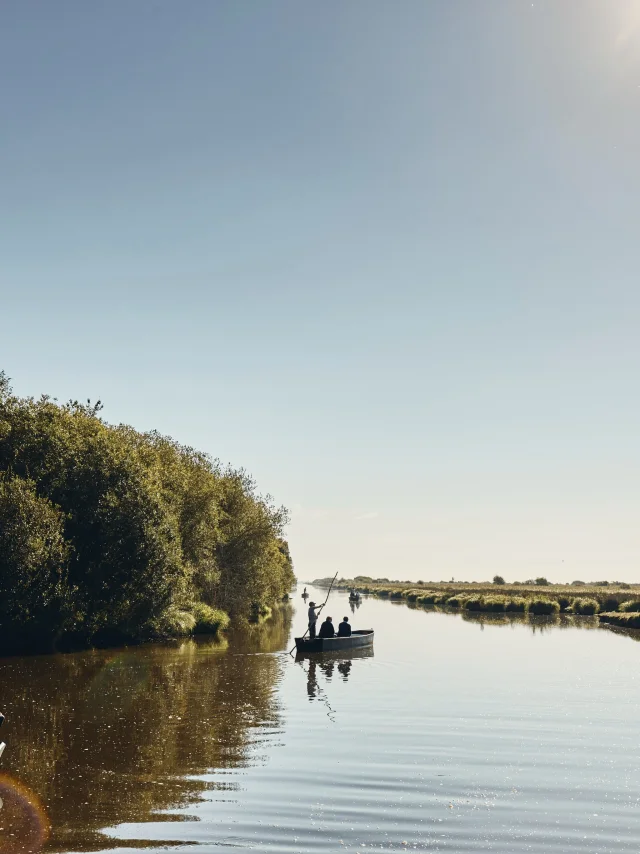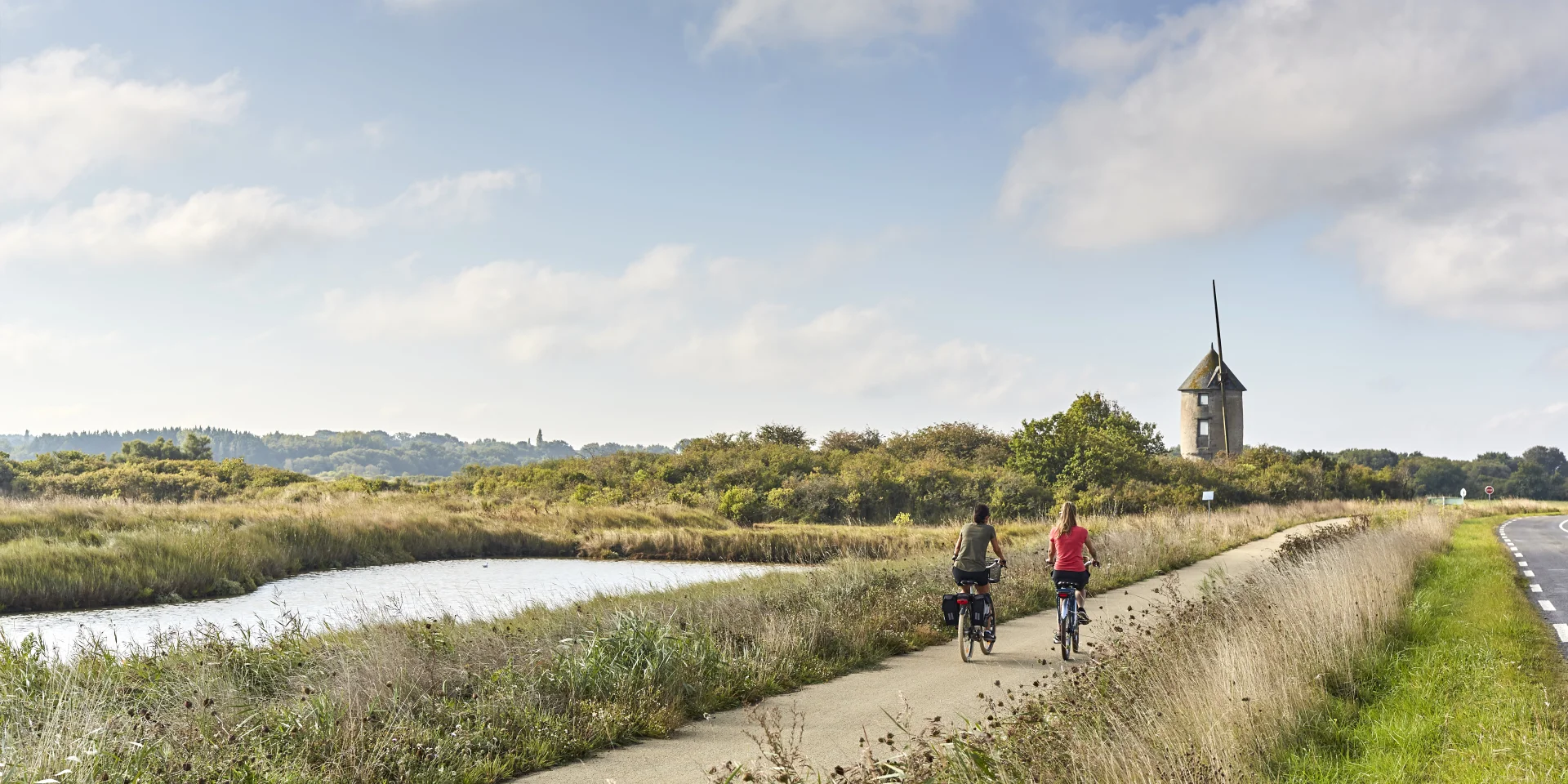
Vélocéan in the Mès marshes - Saint-MolfVélocéan in the Mès marshes - Saint-Molf
©Vélocéan in the Mès marshes - Saint-Molf|Alexandre Lamoureux

Saint-Molf unspoilt nature and authentic charm

In a setting combining salt marshes and countryside, Saint-Molf offers a peaceful and rejuvenating setting, ideal for lovers of nature and authenticity.

Getting there

Between salt marshes and hedged farmland

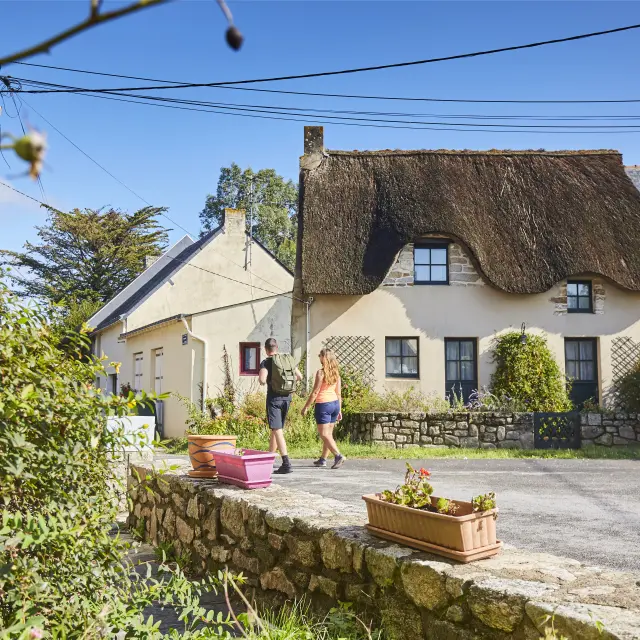
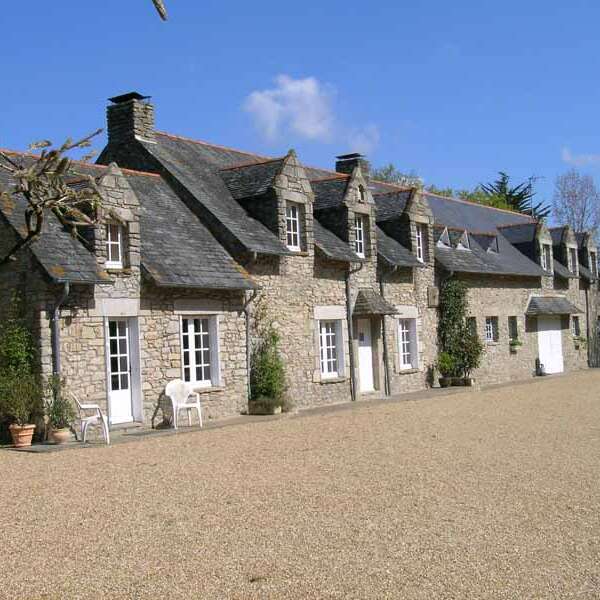
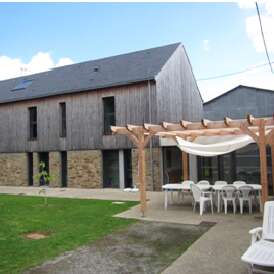
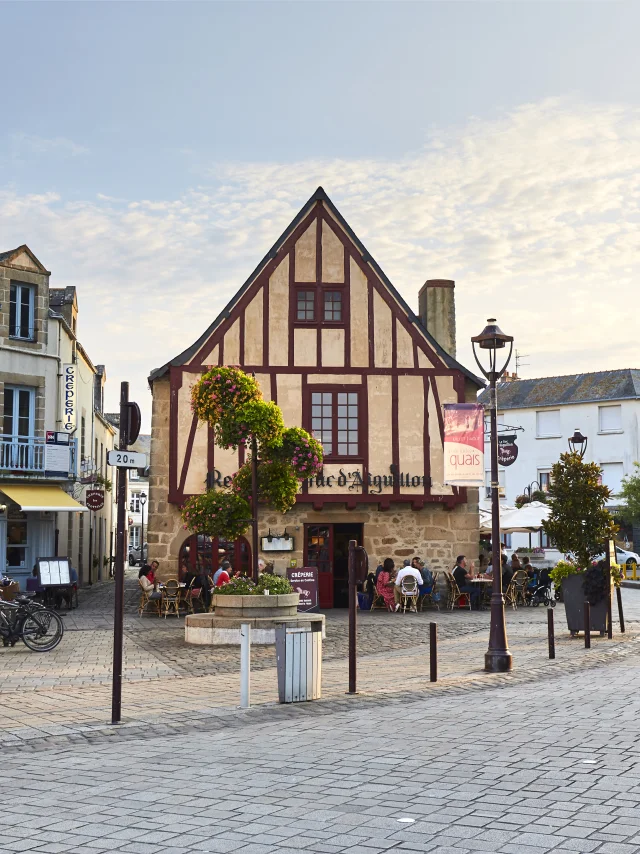
The village of Saint-Molf has an authentic character and a well-preserved environment. This village in the Guérande region has preserved its rural soul, with thatched cottages, hedged farmland and salt marshes. Its small hamlet lanes, lined with stone houses, tell the story of a simple and sincere heritage.

In Saint-Molf, you can discover around twenty crosses and calvaries erected as a result of a vow, in memory of a local event, at a crossroads or in a locality. It was customary for each hamlet to have its own cross.

Salt marshes du bassin du mès

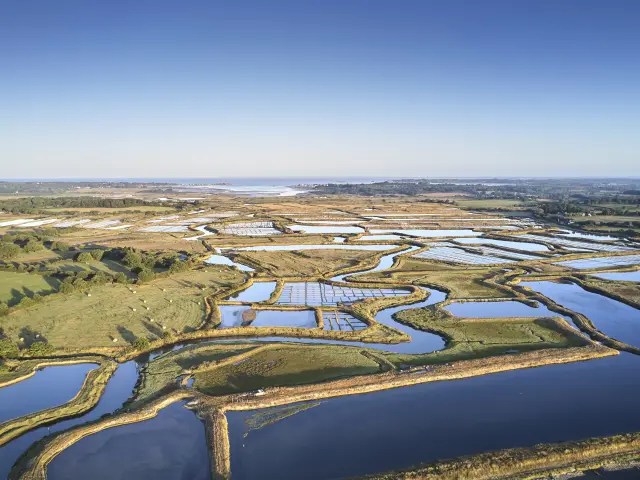
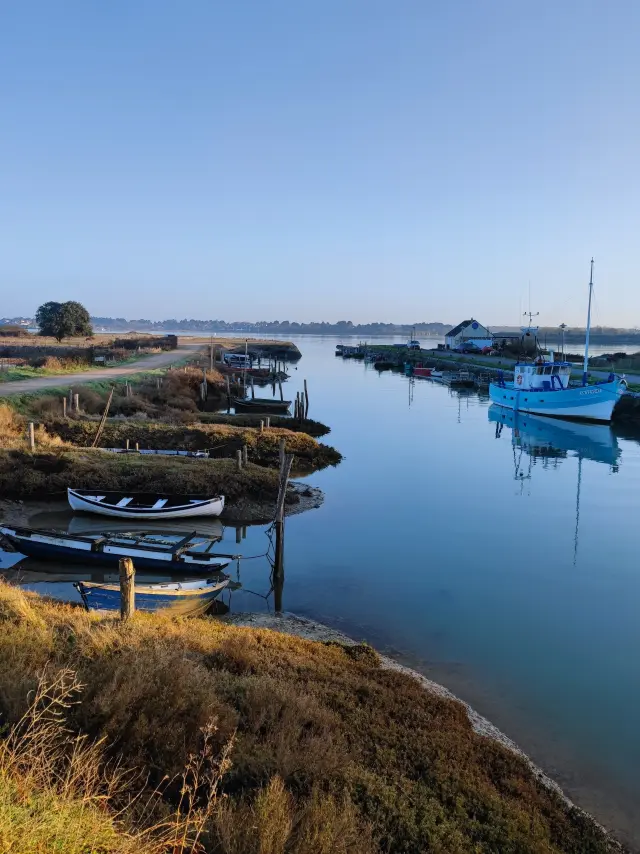
It’s in the surrounding countryside that Saint-Molf reveals all its richness. Hiking trails invite you to discover the Bassin du Mès, a Natura 2000 protected site and the jewel in the crown of the Guérande peninsula’s salt-growing heritage.

These salt marshes, shaped for centuries by the hand of man, stretch between land and sea in a play of water and light. In Saint-Molf, 140 hectares of salt marshes are farmed by passionate salt workers, perpetuating an ancestral and sustainable know-how. As the seasons change, the landscapes are transformed: the reed beds quiver in the wind, migratory birds fly over the ponds, and the golden hues of the salt glisten in the setting sun.

Picnic break!

Your questions!
  • Is there a local farmers' market, and what day does it take place?

    Yes, Saint-Molf has a market in front of the town hall on Thursday and Sunday mornings. Seasonal fruit and vegetables are available.

  • Can I walk or cycle freely in the Mès salt marshes?

    Yes, but with care!

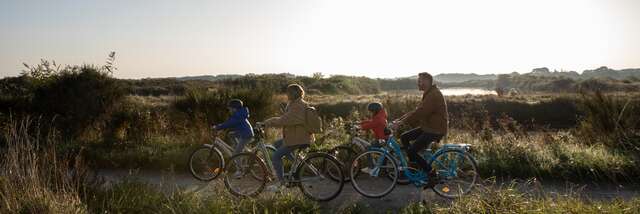
    The Mès salt marshes, spread between Saint-Molf, Mesquer and Assérac, can be visited on foot or by bike along the signposted paths that border the salt marshes. These routes allow you to admire the work of the salt workers and the beauty of the landscape, while respecting the areas where the salt is worked.
    Access to the interior of the marshes is reserved for professionals, but a number of guided tours are available to discover the age-old skills of salt harvesting and the life of the marshes through the seasons.

  • When is the best time for birdwatching in the Mès salt marshes?

    Spring and autumn are the best times for birdwatching in the Mès salt marshes. These are the seasons of migration, when many species come to rest or nest in this Natura 2000 site.
    From dawn onwards, attentive visitors can observe avocets, white stilts, egrets, herons and white spoonbills, often accompanied by passing shorebirds.
    For an enriching experience, birdwatching outings accompanied by naturalist guides are organised regularly by local associations.