Bretagne Plein Sud - August 2018Bretagne Plein Sud - August 2018
©Bretagne Plein Sud - August 2018|alexandre lamoureux

The well-kept secrets of the salt marshes

Ajouter aux favoris

We often think we know the salt marshes because we’ve seen them in photos. But once you’re there, your perspective changes. The landscape changes with the passing hours, carried by light that never really settles. It’s easy to see why we keep coming back, whatever the season. Behind this apparent simplicity lies a story of know-how, patience and precise gestures, handed down and repeated day after day.

A territory vast and rich

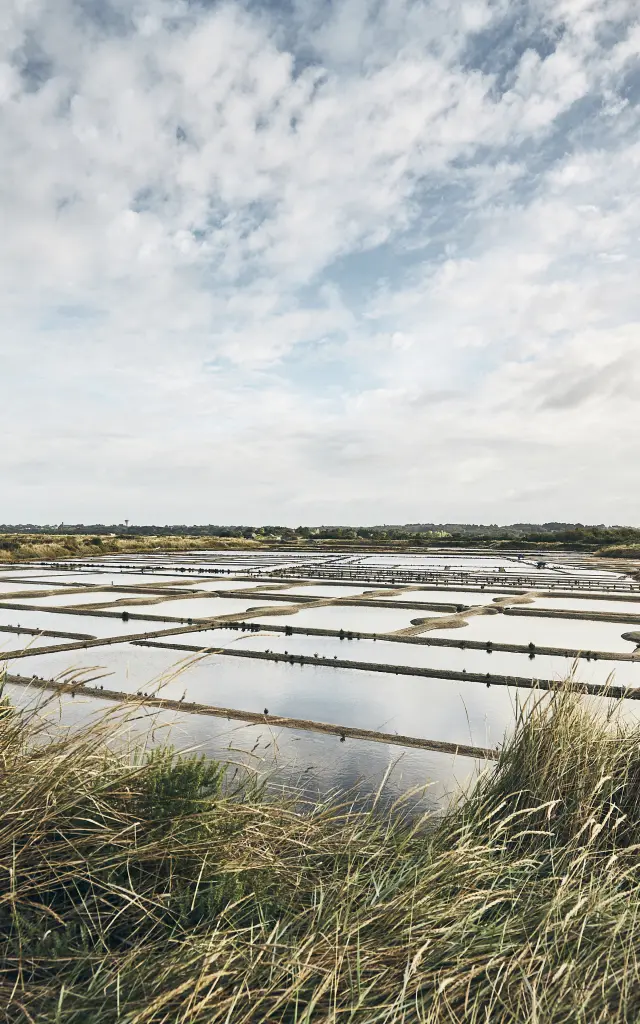
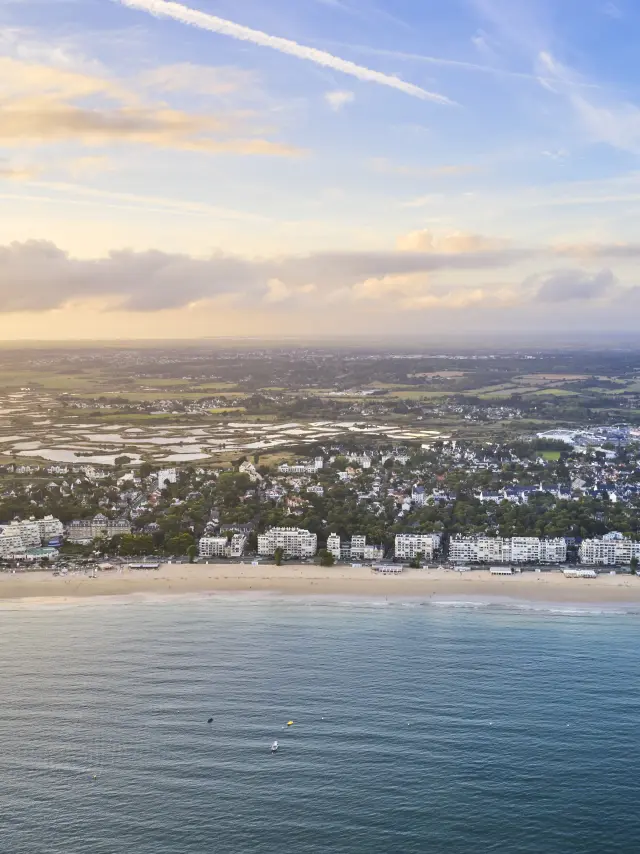
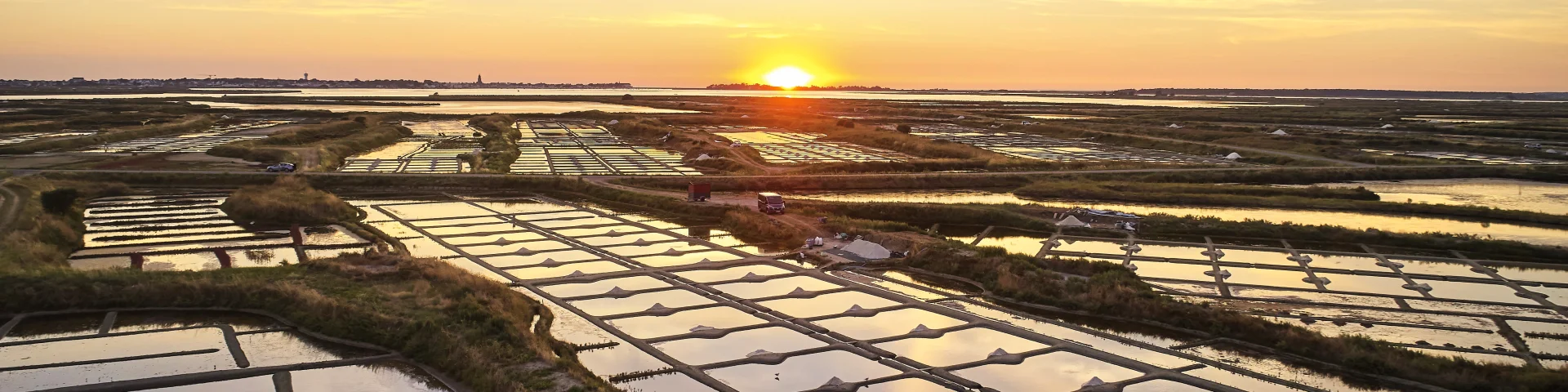
On your first visit to the salt marshes, you’ll often be surprised by the sheer size of the area and the place it occupies in the landscape. You can wander between basins, étiers and œillets in several communes, from Guérande to Batz-sur-Mer, as far as the Mès marshes near Mesquer and Saint-Molf. Each area has its own organisation, its own colours and its own rhythm, but they all operate according to the same principle, inherited from centuries of practice. You soon realise that this area is not set in stone. It lives with the water, the seasons and the daily work of the salt workers. From one path to the next, the viewpoints change and so does the light. It’s easy to understand the scale of this salt-growing landscape, which is at once technical, natural and deeply rooted in the local identity.
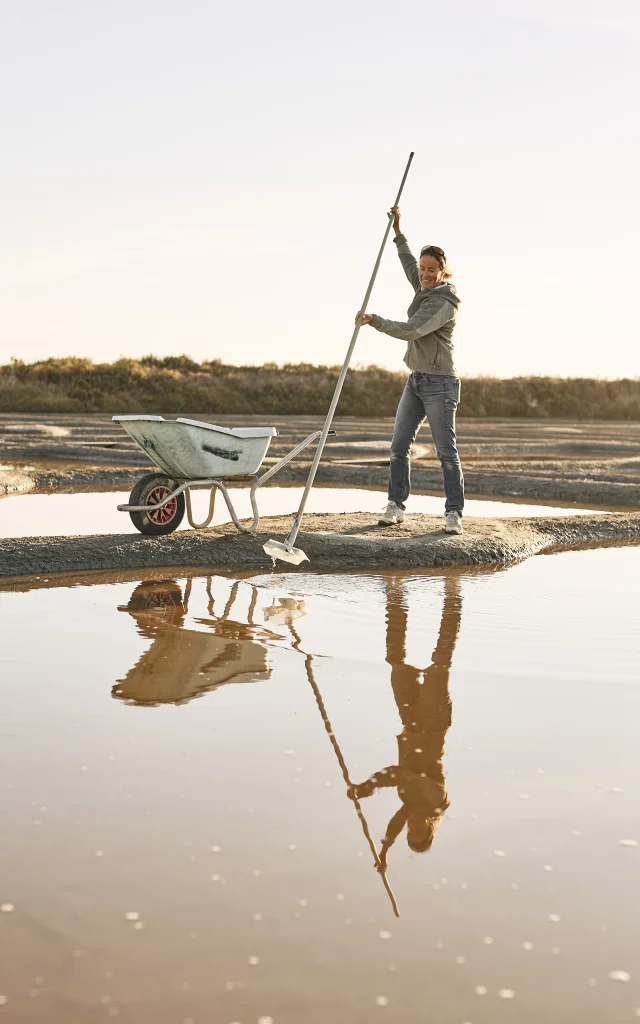
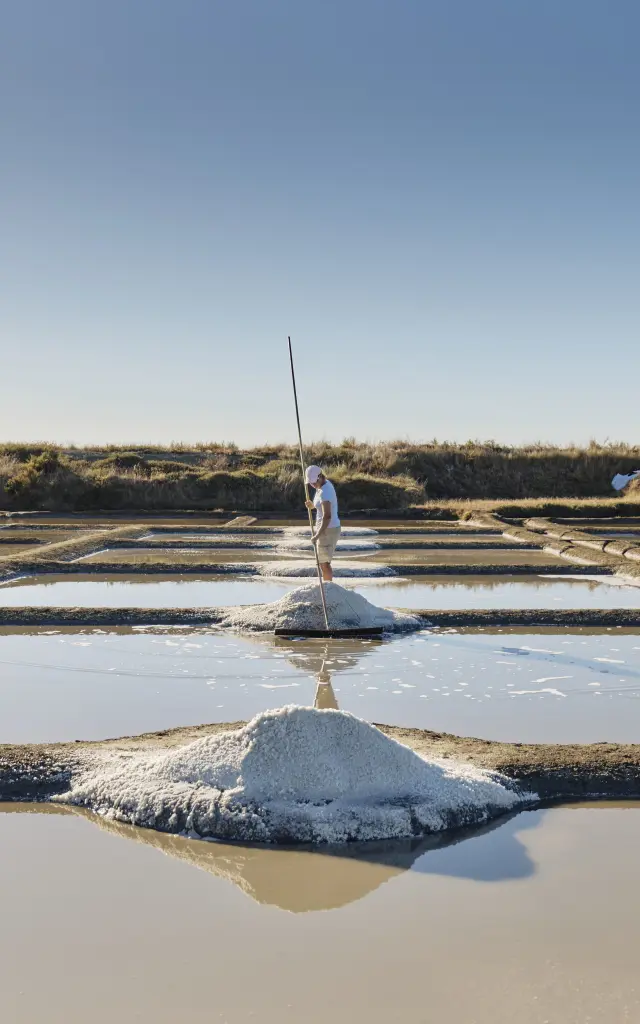
A landscape handcrafted

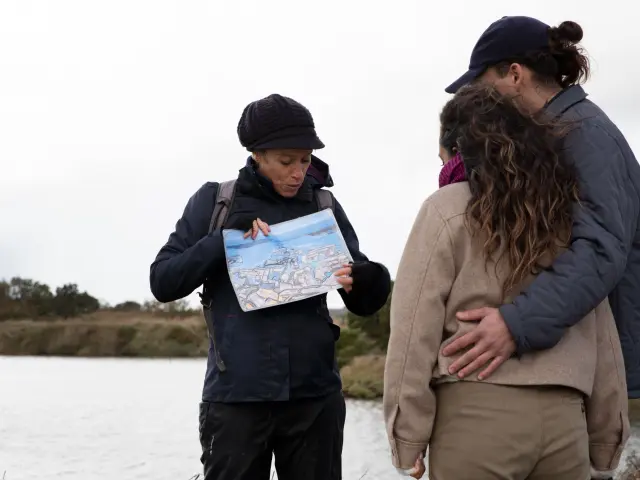
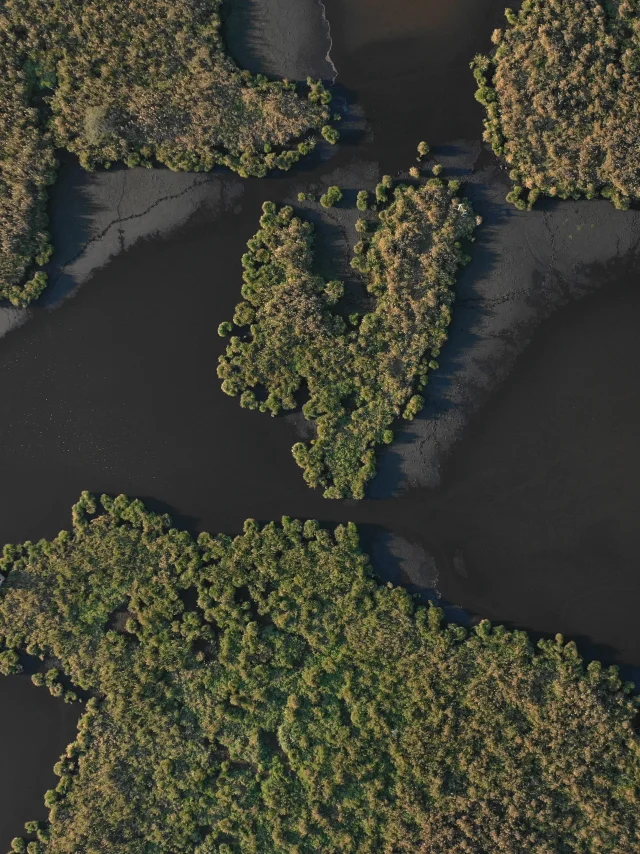
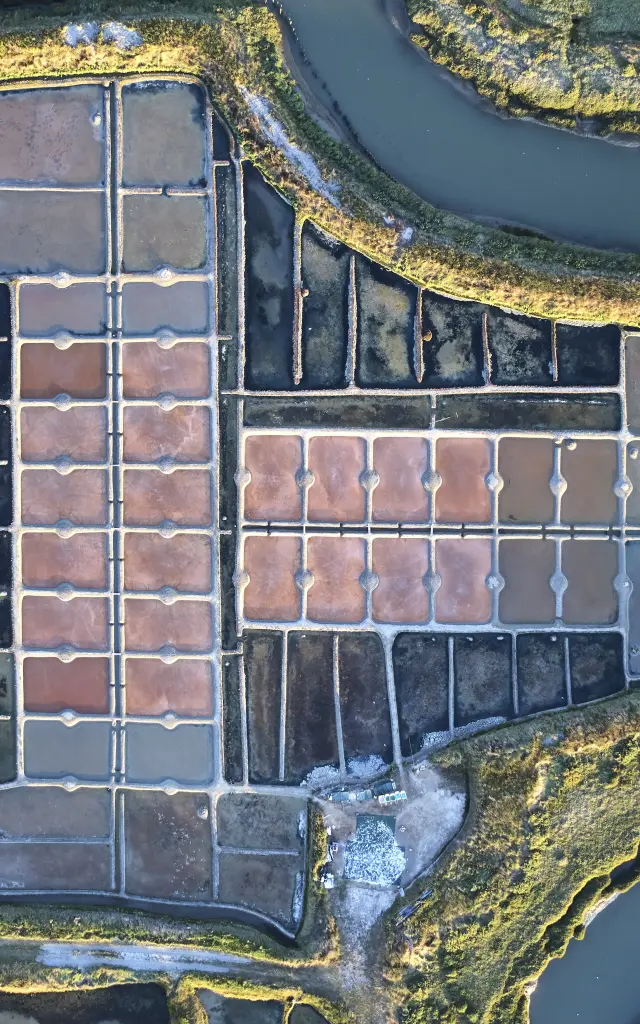
This landscape is both natural and man-made. The shape of the eyelets, the lines of the embankments, the flow of water from the tracts of Le Croisic and Mesquer: nothing is left to chance. During the guided tour, you can see how the water level changes from one salt works to the next. The salt worker adjusts everything with a simple wooden tool, maintains the dykes and monitors evaporation. Behind the calm of the marshes, you can see a real open-air workshop.

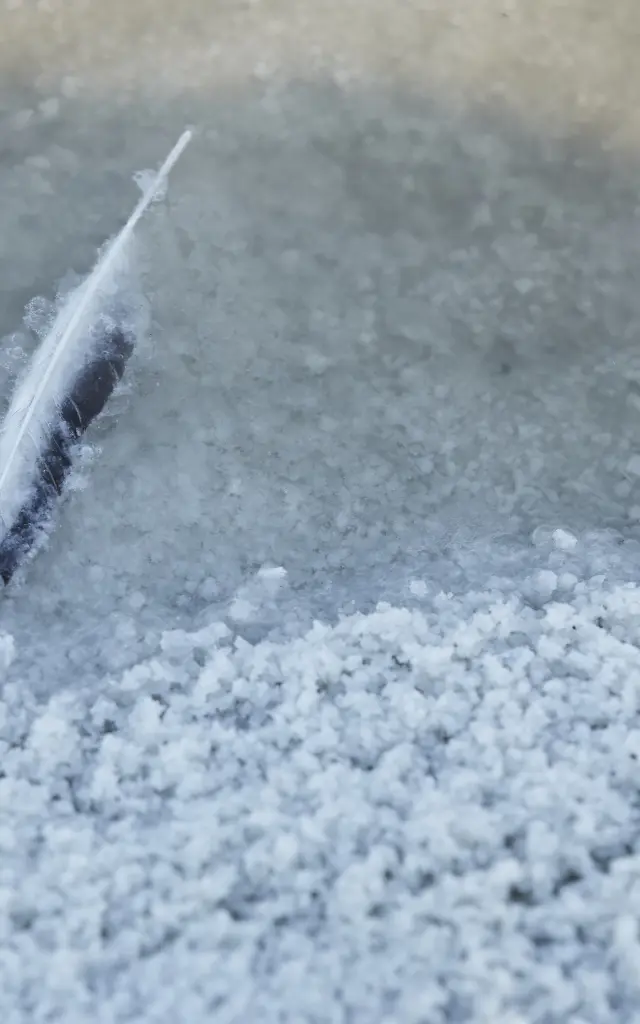
And you soon realise that this work is doneall year round. Winter is used to repair, clean and refurbish the salt pans. Spring is spent preparing each basin. Summer is devoted to water management and harvesting. Autumn kicks off the maintenance work before the next cycle. This precise rhythm is based on unique, ancestral know-how, handed down from generation to generation. The salt we find on our plates is the result of this patient mastery, rooted in a land where every gesture counts.

A natural habitat for birds

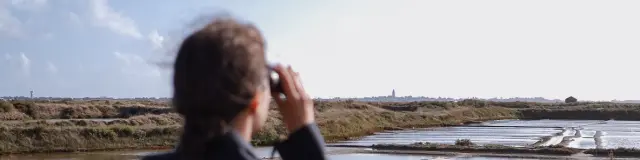
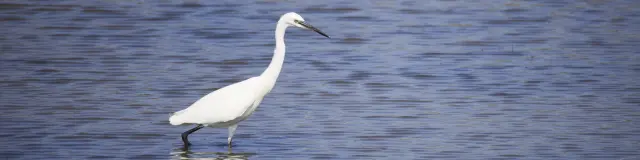
In the Guérande salt marshes, wildlife is everywhere, as long as you take the time to observe. Between the carnations, canals and embankments, many birds find refuge in this man-made landscape. Egrets, herons and avocets can regularly be seen resting just a few metres away.

Depending on the season, the marshes even become a key stopover for migratory birds. This cohabitation between salt production and biodiversity is an integral part of the site, and gives the salt marshes the impression of a permanent balance between nature and know-how.

Visit the salt marshes

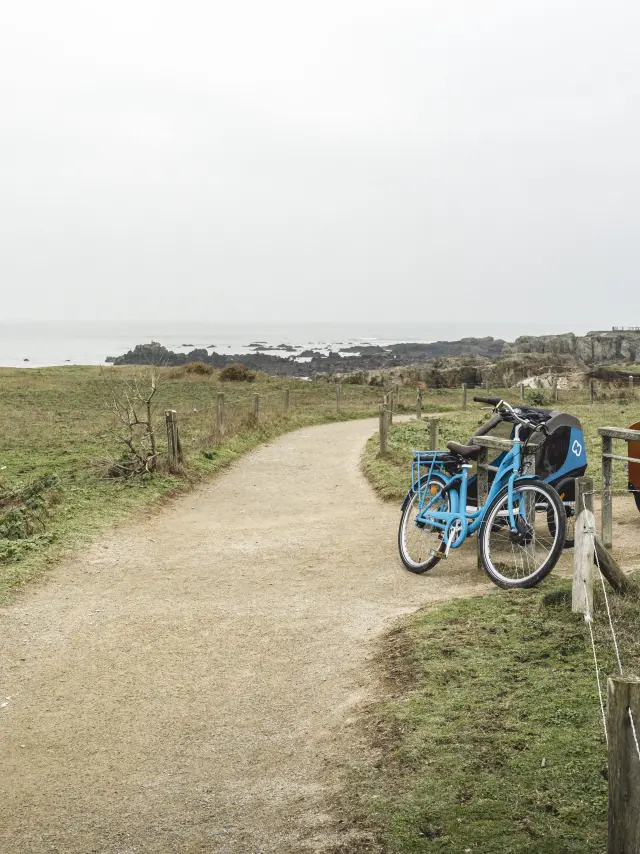
To discover the salt marshes, there’s one essential thing to bear in mind: you’re in the salt workers’ workplace. Nothing here is staged. Each embankment, each basin, each flow of water is part of a private space where the activity never stops. So you stay on the paths for walking, and on the signposted routes for cycling. And in summer, when the salt workers are in full swing, you need to be extra careful: their machinery is on the move, and can be dangerous if you get too close.

Choose a guided tour to learn more about the salt marshes. You can choose between independentsalt marsh workers or a local organisation!