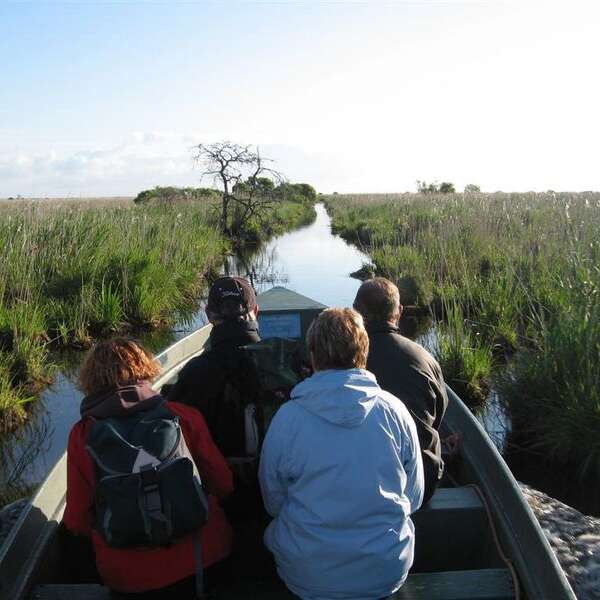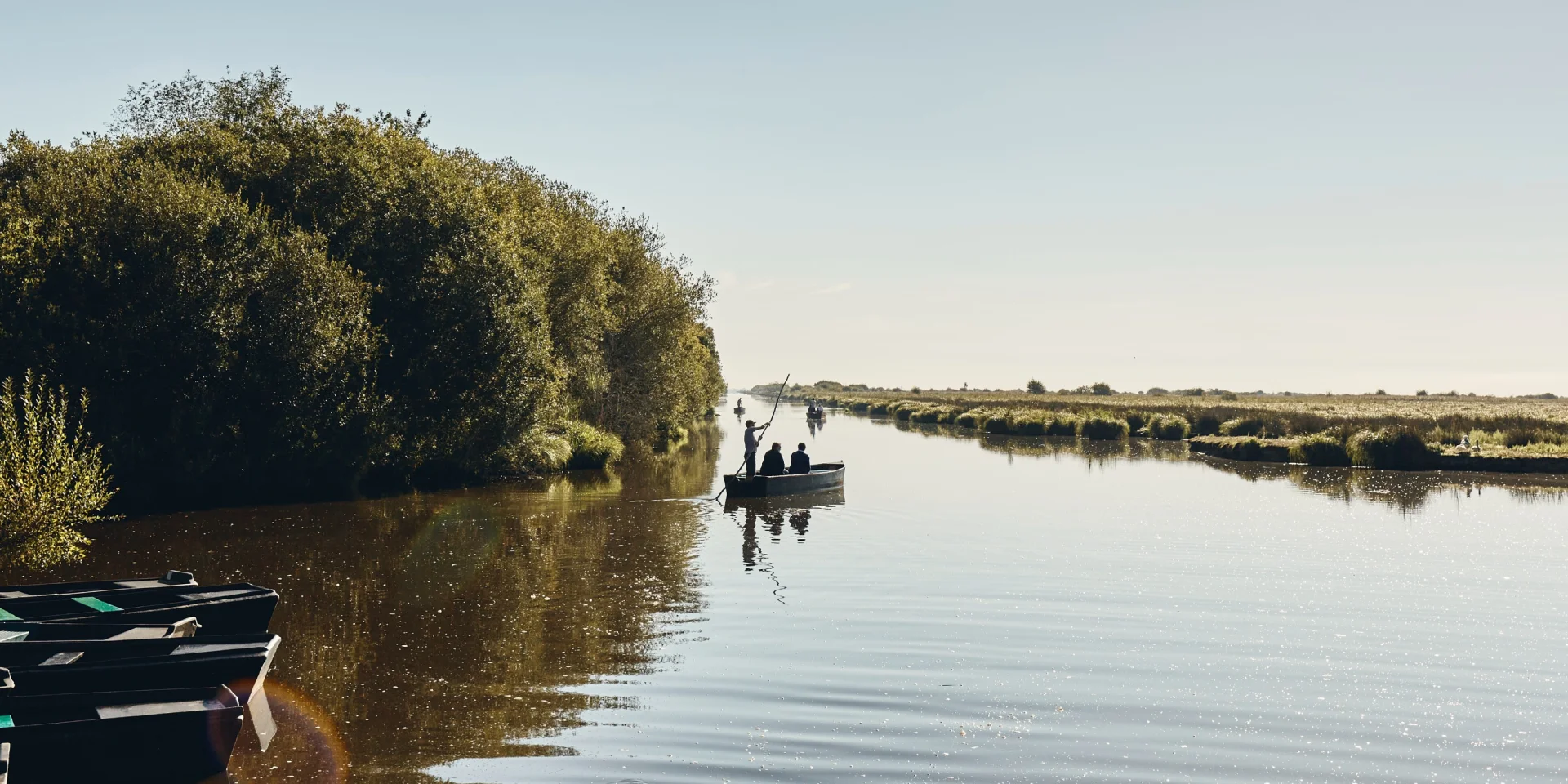
Barge trip to the port of Bréca, Marais de Brière - Saint-LyphardBarge trip to the port of Bréca, Marais de Brière - Saint-Lyphard
©Barge trip to the port of Bréca, Marais de Brière - Saint-Lyphard

Saint-Lyphard between marshes and thatched cottages

Between tradition and nature, Saint-Lyphard, classified as a Green Resort, invites you to immerse yourself in the heart of the Brière Regional Nature Park. A village full of charm, authentic and rejuvenating.

Getting there

At the gates du Marais de Grande Brière

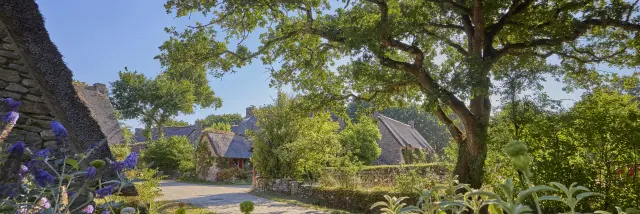
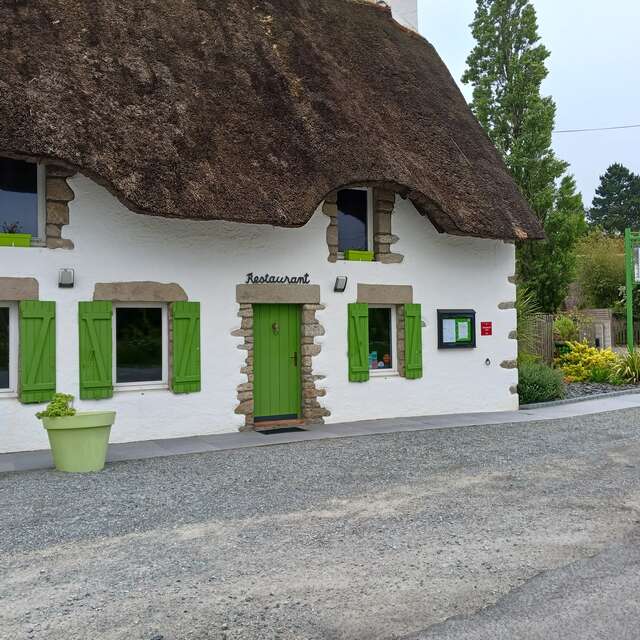
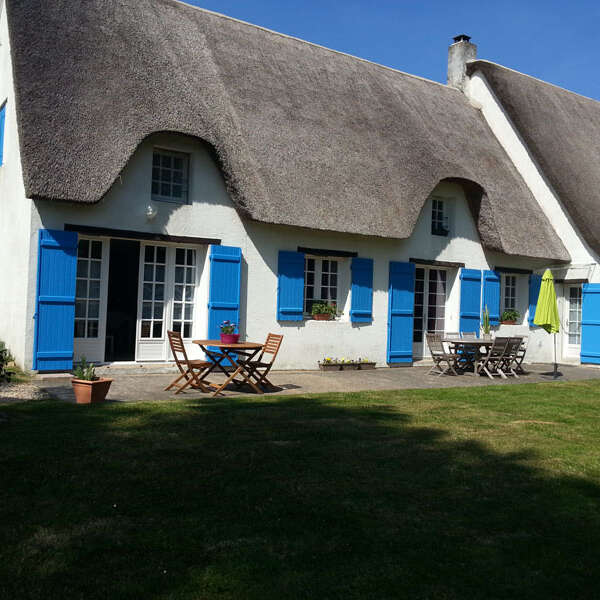
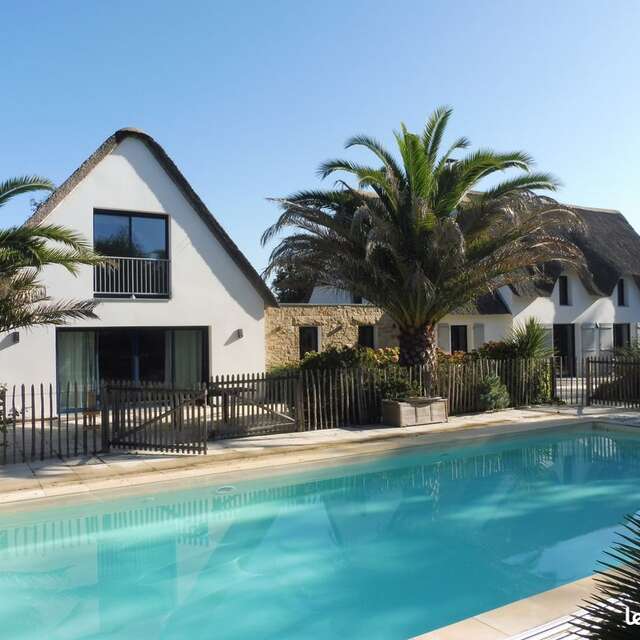
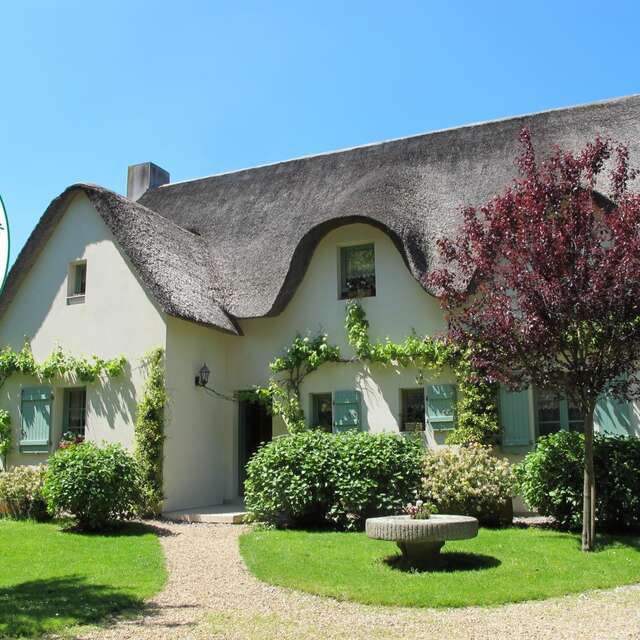
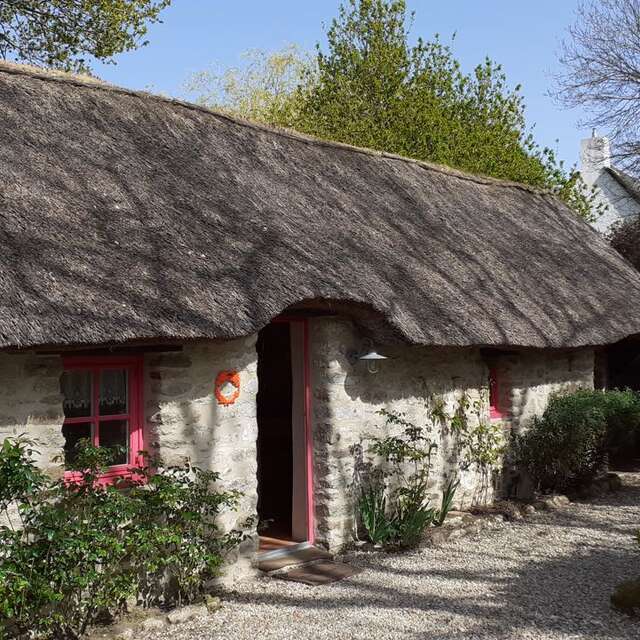
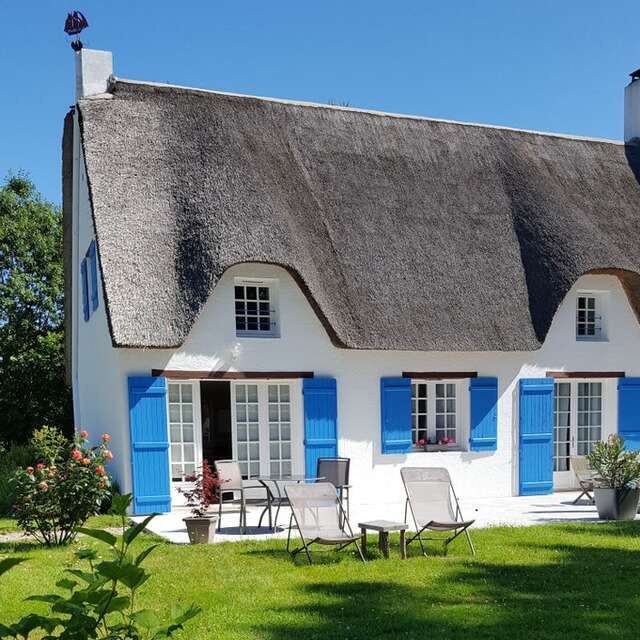
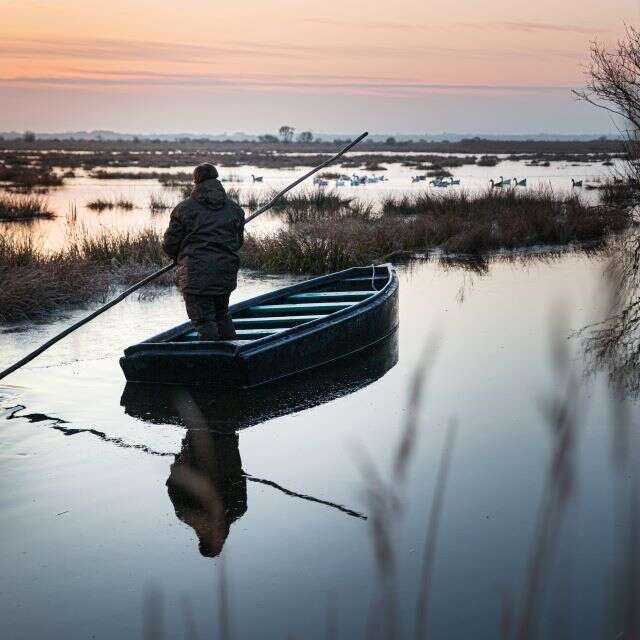
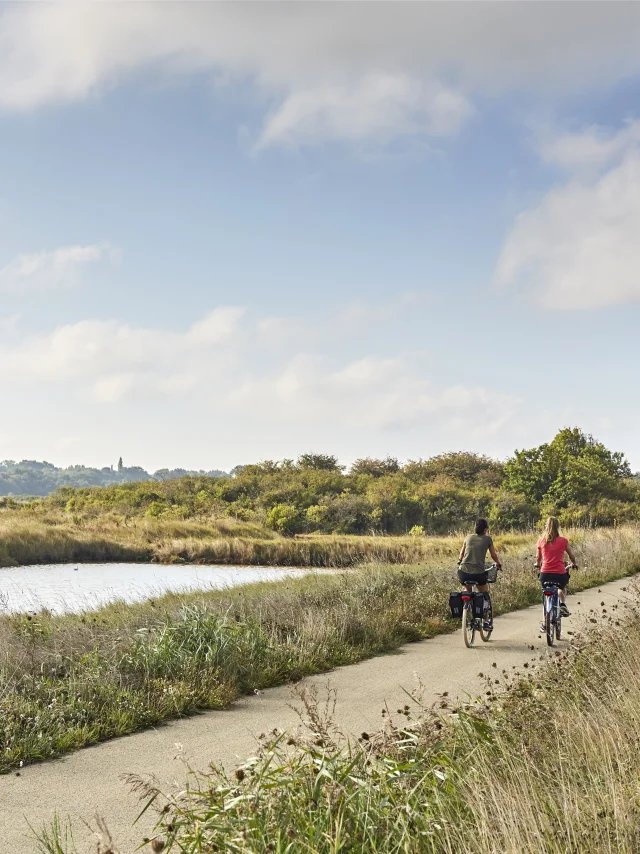
Saint-Lyphard, a village at the gateway to the Marais de Grande Brière, has a unique heritage and an exceptional natural setting . More than 900 typical thatched cottages , scattered in numerous hamlets, bear witness to thetraditional architecture of the Brière region, while the church tower in the heart of the village offers a breathtaking panoramic view of the marshes and surrounding rivers. The park can be explored in a variety of ways: by boat, traditional craft for navigating the marshes, on foot or by bike, and even by horse-drawn carriage to appreciate the wealth of local flora and fauna.
Kerhinet open-air heritage

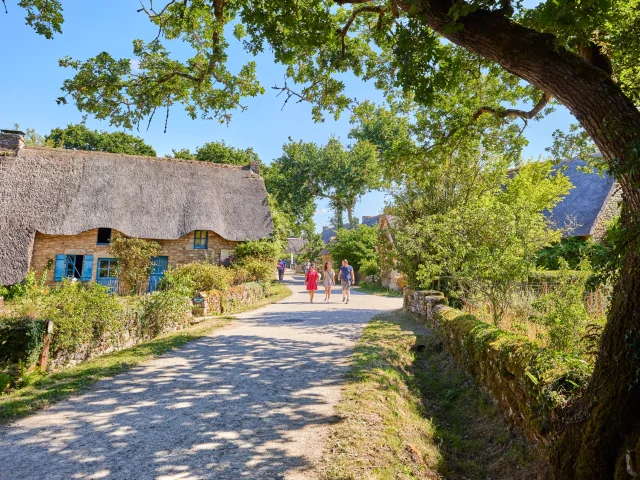
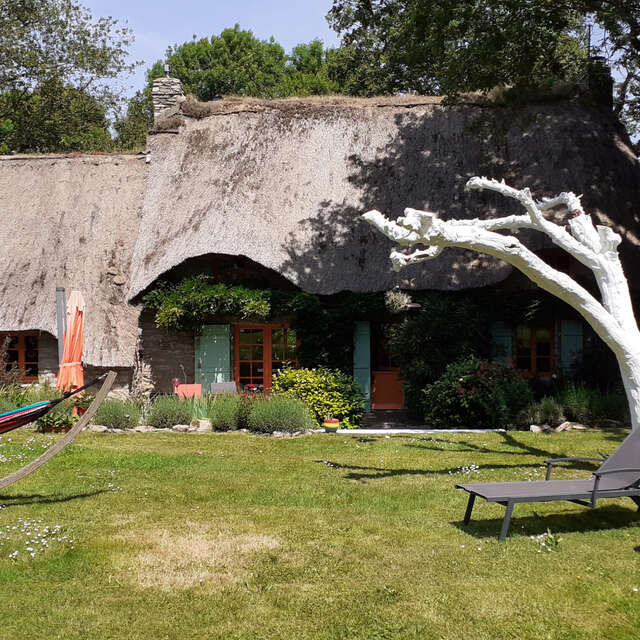
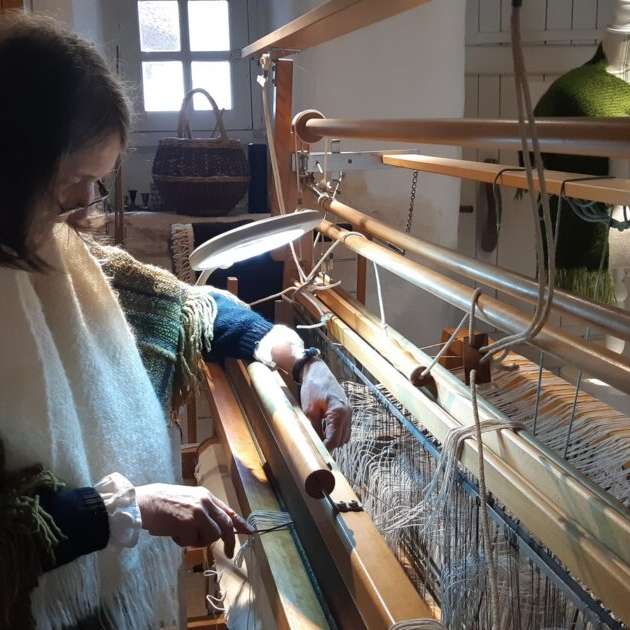
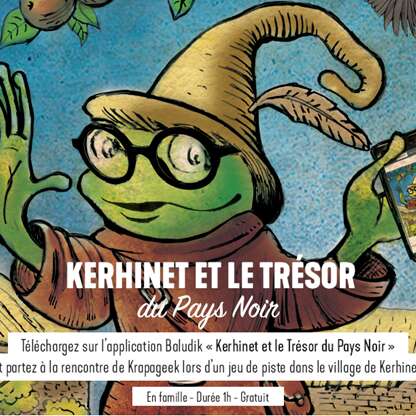
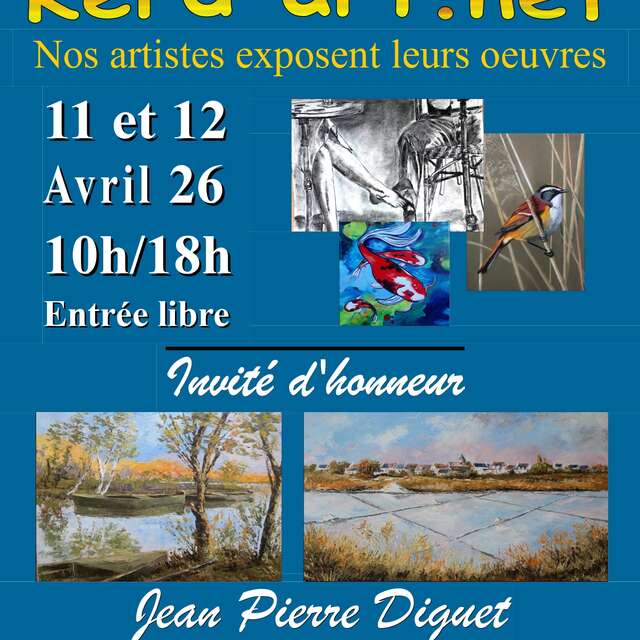
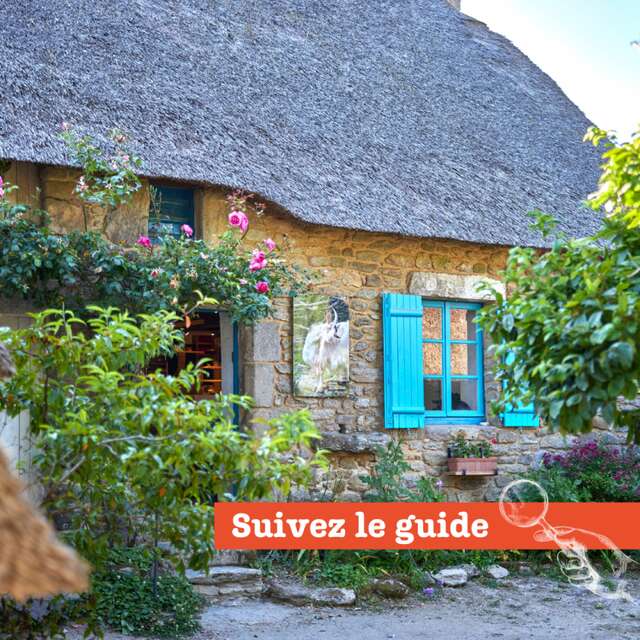
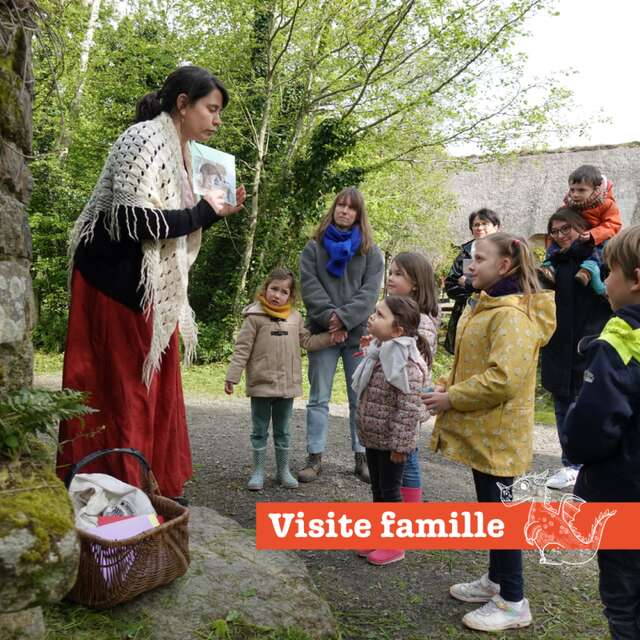
Kerhinet, one of Saint-Lyphard’s emblematic hamlets, is a veritable open-air living museum.Its perfectly restored thatched cottages and picturesque alleyways reflect the authenticity of the Briéron way of life in days gone by. The village is also home to craft workshops and exhibitions on local culture and traditions. Entirely pedestrianised, visitors can stroll through the village, discovering what life was like in days gone by and taking advantage of educational events, particularly on fauna, flora and local know-how. Kerhinet is the cultural and heritage heart of Saint-Lyphard, offering total immersion in the history and soul of the Brière.

Explore more

  • The Kerbourg dolmen

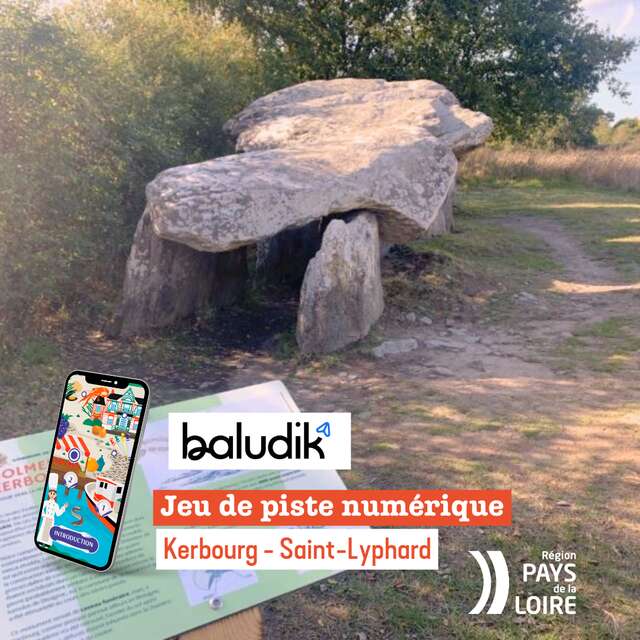
This dolmen is located between the village of Kerhinet and the D51, near the Moulin de la Masse. It is an example of a funerary monument whose construction began around 4500 BC. The access corridor and burial chamber are clearly visible. But at the time it was a much more elaborate construction. A whole layer of stones, called a cairn, covered these two elements.
Self-guided tour, accompanied by a QR code explanatory panel.

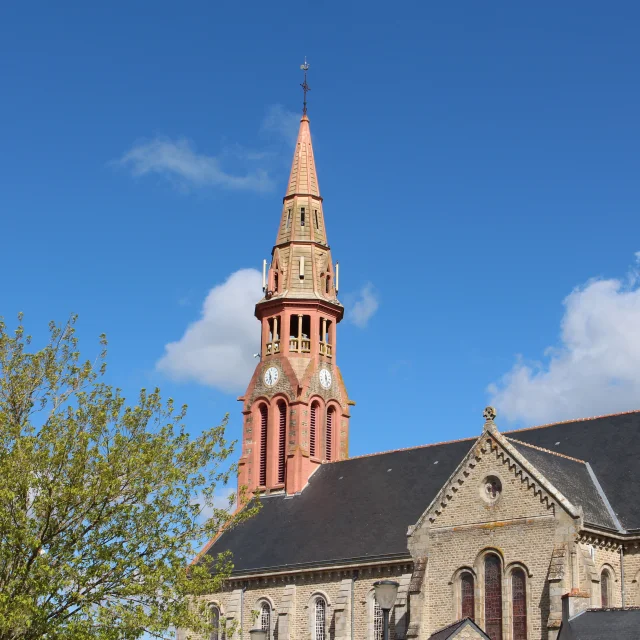
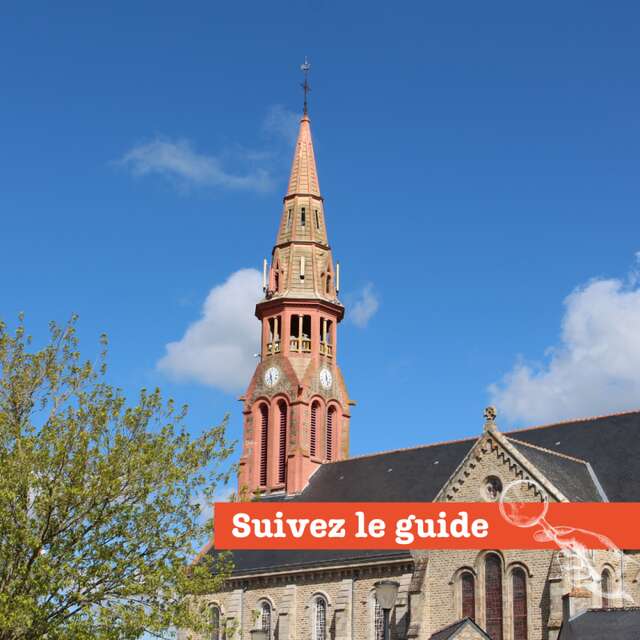
From the top of the 135 steps of the bell tower, you can enjoy a 360° view over the vastness of the Brière marshes and even the Saint-Nazaire Bridge! Guided tours are regularly organised by the Tourist Office.

  • The ports of Bréca and La Pierre Fendue

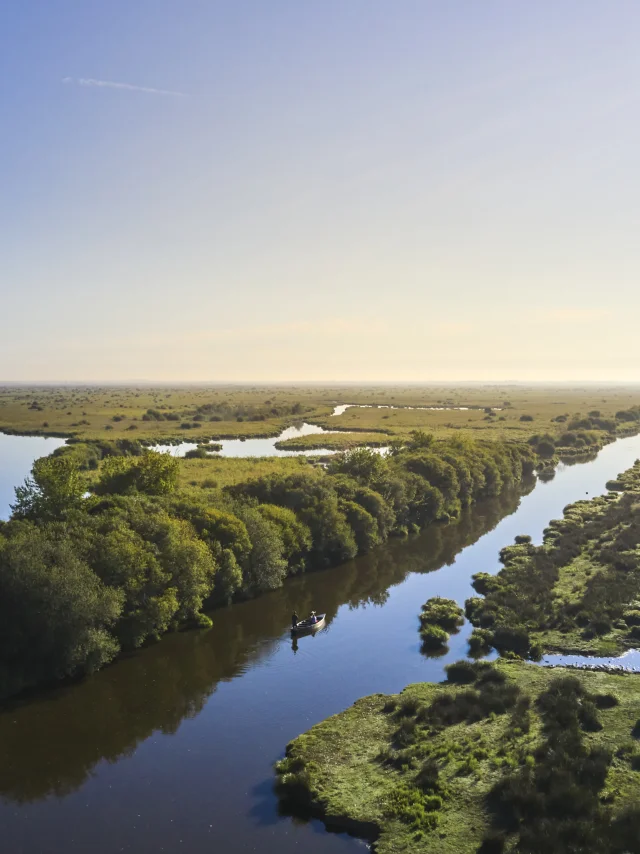
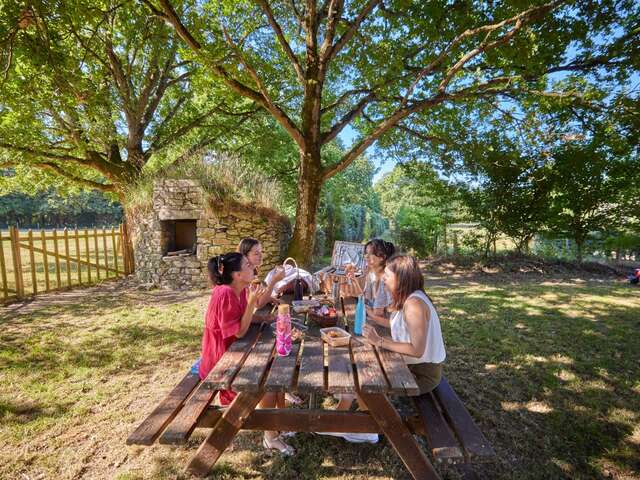
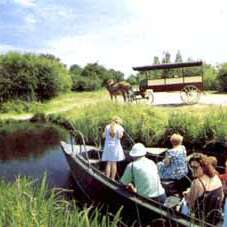
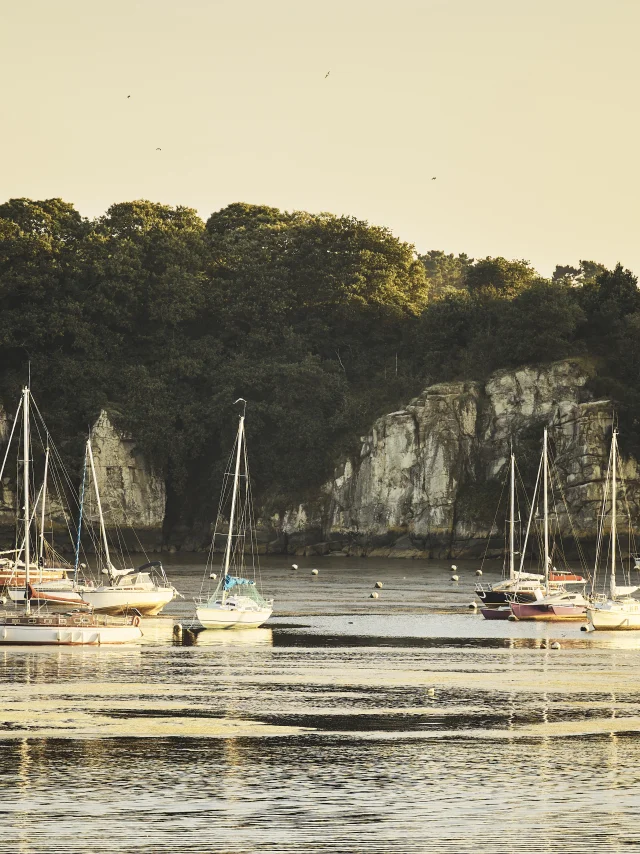
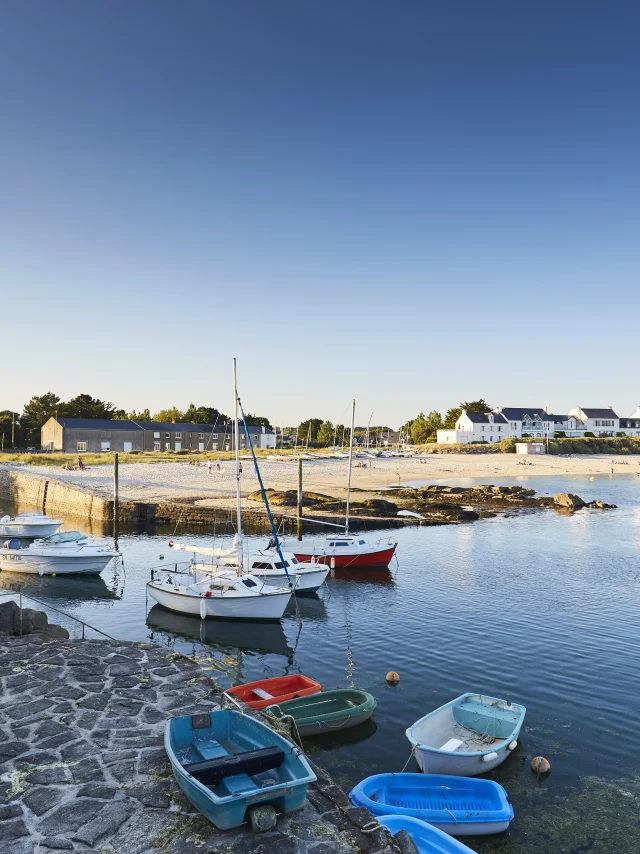
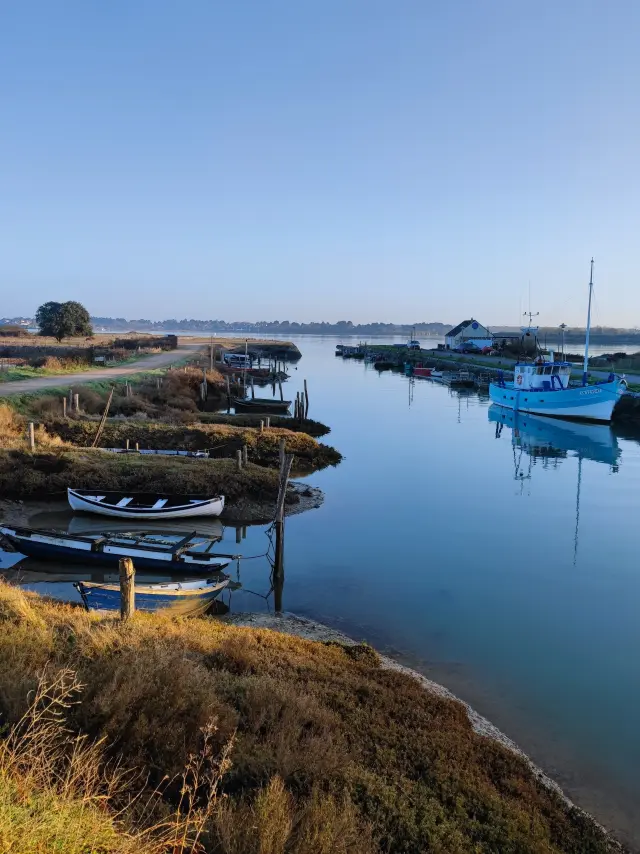
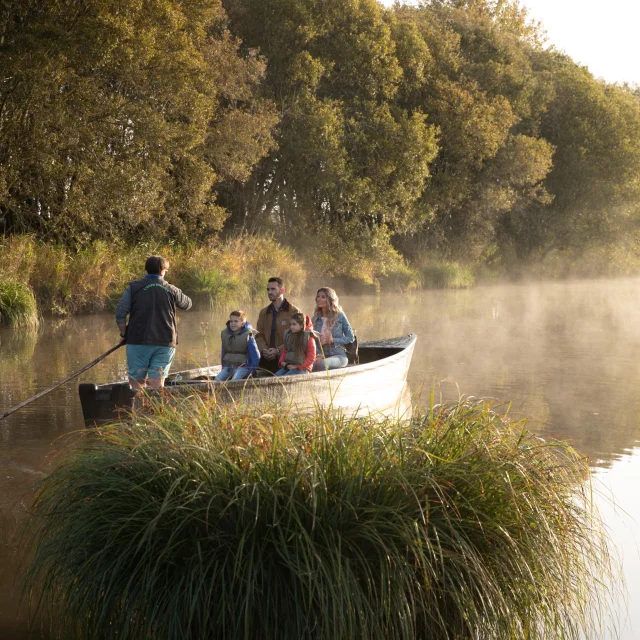
The ports of Bréca and La Pierre Fendue are at the heart of the Brière marshes in Saint-Lyphard. Both offer rides in traditional barges or horse-drawn carriages. These emblematic sites are also peaceful places in the heart of nature, ideal for a picnic by the water, while soaking up the spirit of the place!

Picnic break!

Organising my stay

Your questions!
  • How to visit Les Marais de Brière

    There are many ways to visit the Brière marshes. The most emblematic is a trip in a barge, a traditional flat-bottomed boat, departing from the ports of Bréca and Pierre Fendue in Saint-Lyphard. Brière walkers welcome you for a guided tour of the canals, reed beds and wildlife.
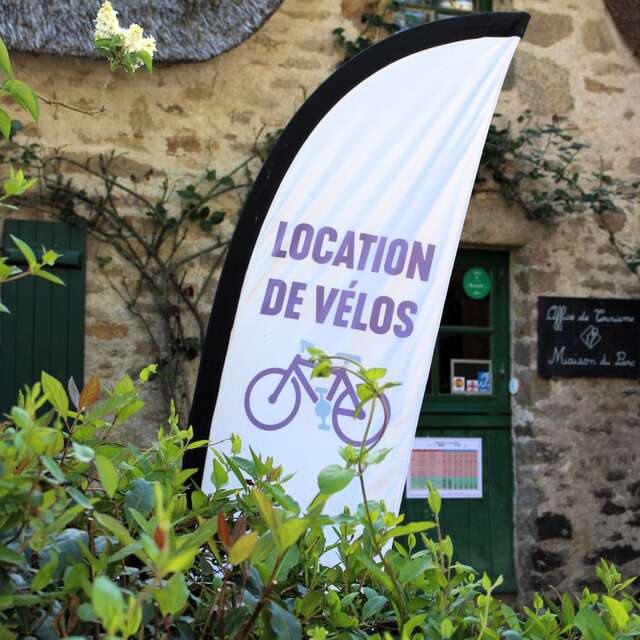
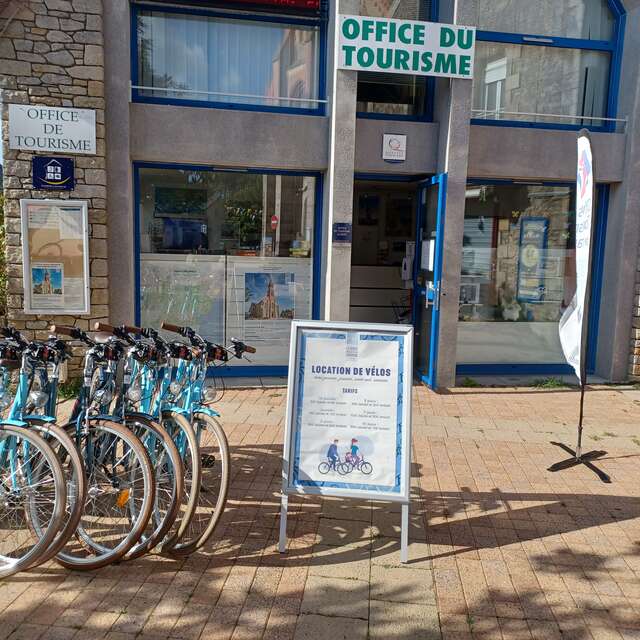
    You can also explore the marsh on foot, by bike or in a horse-drawn carriage, thanks to the signposted paths. Guided tours from the Tourist Office in Kerhinet are the perfect way to discover this exceptional natural site.

  • Can you climb to the top of the Saint-Lyphard bell tower?

    Yes,the bell tower of Saint-Lyphard church can be visited in season and offers one of the finest panoramic views of the Brière marshes. After a few steps, the reward is at the top: a 360° view of the thatched roofs, canals and vast floodplains. Tours, supervised by the Tourist Office, are open from spring to autumn, by prior arrangement or directly on site.
  • Are there any residents in the village of Kerhinet?

    Yes,one thatched cottage is still permanently inhabited in the village of Kerhinet. Restored by the Brière Regional Nature Park in the 1970s, it is now a living, pedestrian-only“village-museum” dedicated to promoting the Brière heritage. There are 18 thatched cottages, a bread oven, the Maison du Parc, as well as local craftsmen and producers on hand throughout the season. In summer, the Thursday local produce market brings the village to life in a friendly atmosphere.

  • Can you fish in the Marais de Grande Brière?

    Yes, fishing is permitted in certain areas of the Brière marshes, but subject to regulations. It is reserved for holders of a special fishing permit issued by the Grande Brière Mottière syndicate. Anglers can catch roach, pike and eels, while respecting the fragile ecosystem of the marsh. It is advisable to get in touch with the managers of the fishing cards.
  • Is the Tour de Brière (GRP) accessible all year round by bike or on foot?

    Yes,the Tour de Brière (GRP), which is almost 80 km long, is only partially accessible on foot all year round, but when the water levels rise in winter, part of the route is no longer passable. It is therefore advisable to complete this loop in fine weather. This great signposted route passes through typical villages, thatched cottages and the varied landscapes of the marshes. Contact our teams before embarking on this route.