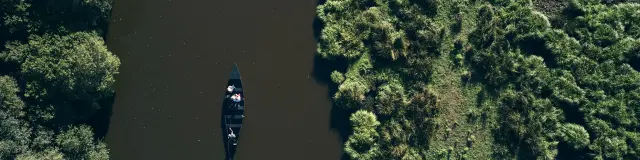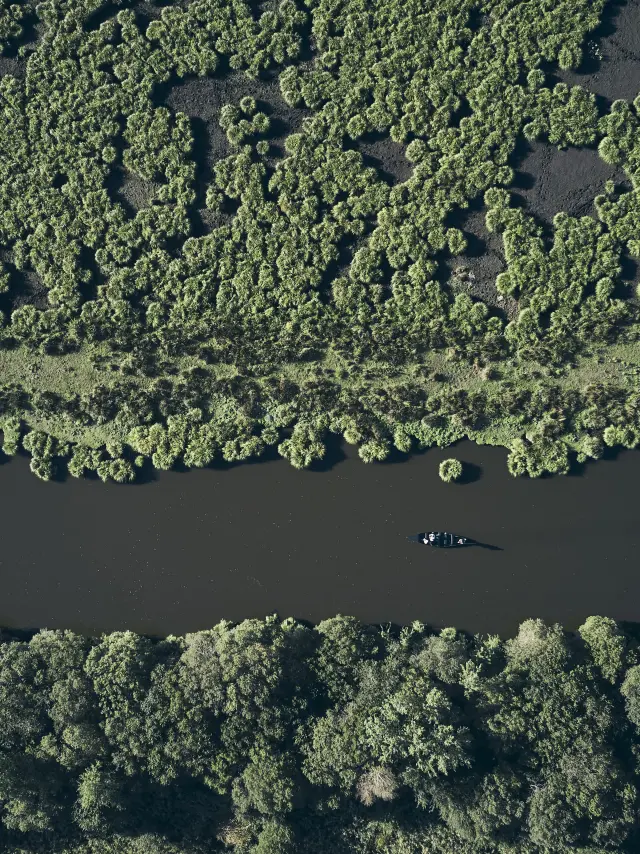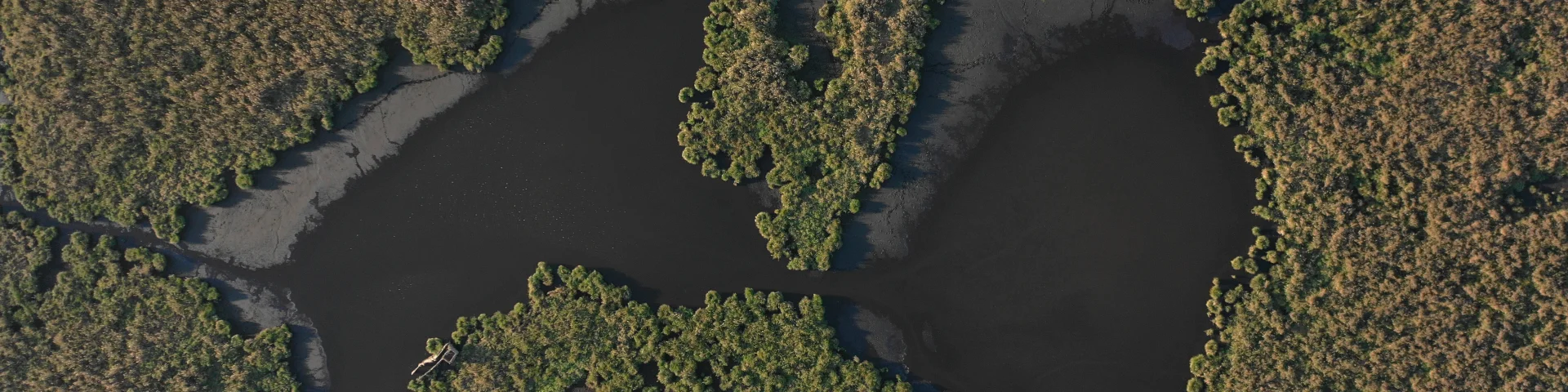
Aerial view of the Brière marshesAerial view of the Brière marshes
©Brière marshes - Brière|Tiger Productions

The Brière Marshes

Ajouter aux favoris

Between canals and thatched cottages, the Brière marshes form a world apart, steeped in tradition and gentleness. It’s an inhabited territory, shaped by the people who live there and make it vibrate to the rhythm of the seasons.

An area shaped by man

The second largest marshland in France after the Camargue, the Marais de Grande Brière covers 20,000 hectares of protected nature and living heritage. For centuries, the inhabitants have lived in harmony with their environment, between canals, meadows and thatched cottage villages.

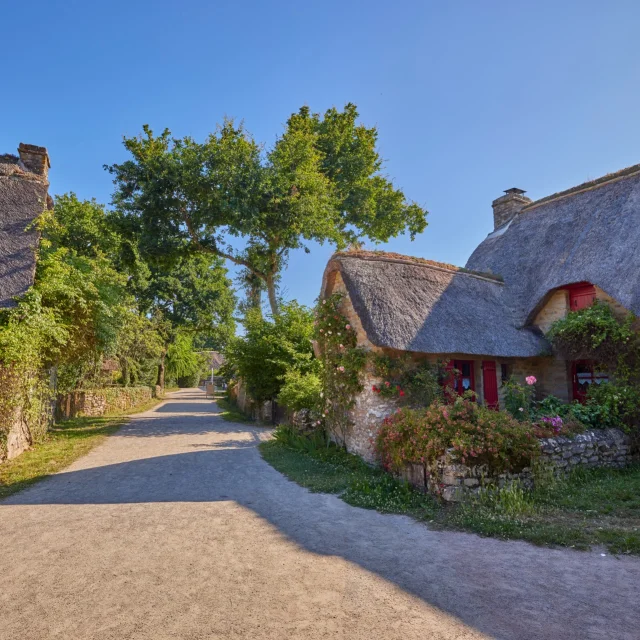
The village of Kerhinet, in Saint-Lyphard, bears witness to this Briéron way of life. Restored by the Parc Naturel Régional de Brière, this pedestrianised hamlet in the heart of nature has an authentic feel, with thatched-roof houses. Here, you can take the time to meet the craftsmen and producers, and listen to the history of the region as told by those who bring it to life.

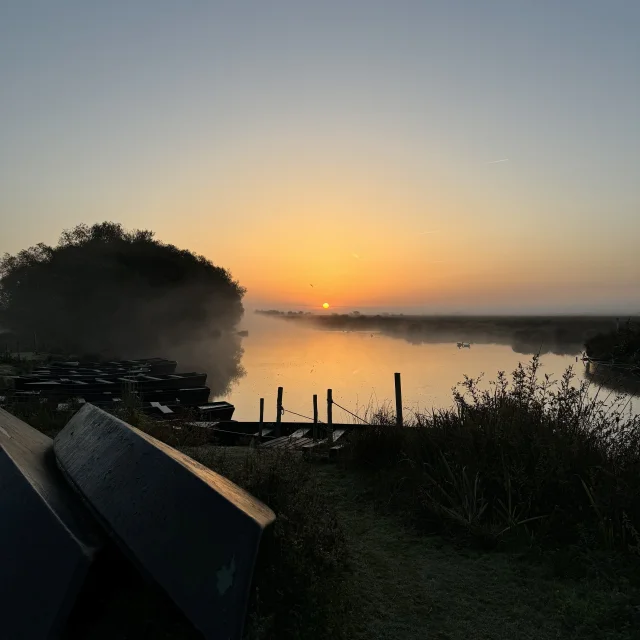
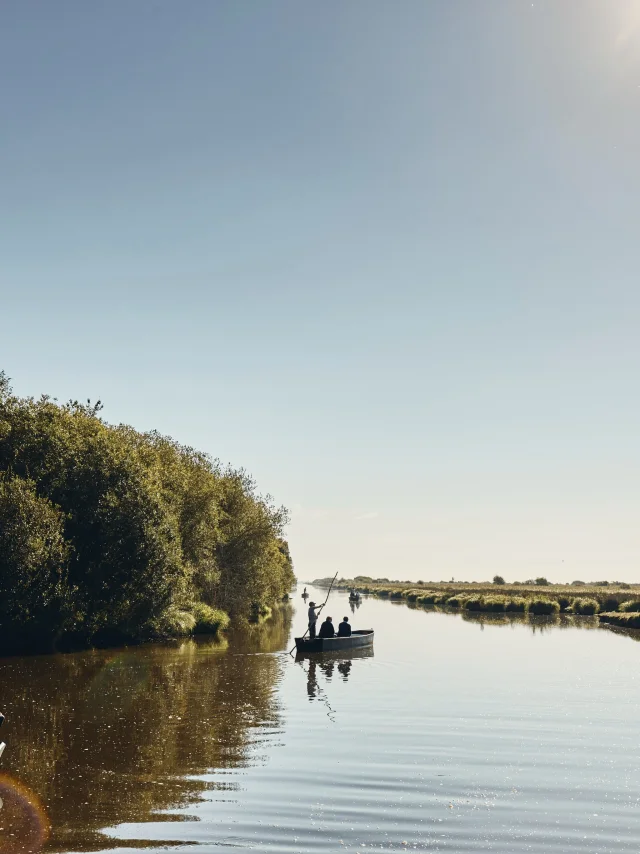
From Bréca to Herbignac, the Brière reveals its many faces. Water is everywhere, creating a network of canals that reflect the clouds. The hills emerge like green islets, home to thatched cottages and vegetable gardens.
Experiences steeped in know-how

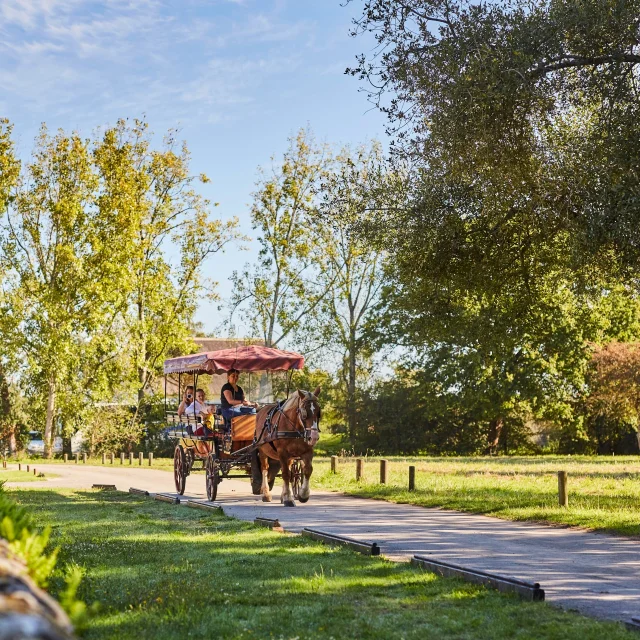
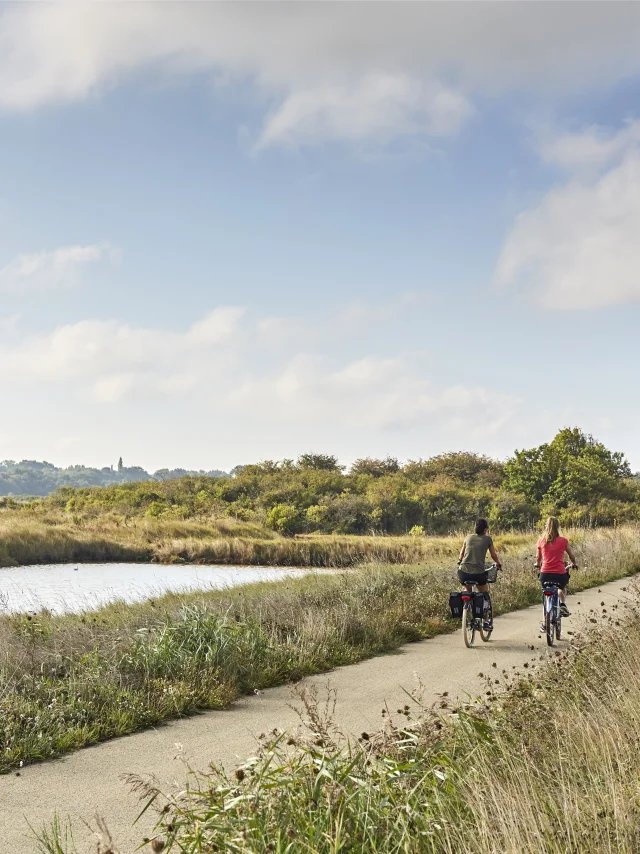
Gliding along the water in a barge driven by a passionate guide, discovering the medieval château of Ranrouët in Herbignac, exploring the paths in a horse-drawn carriage or on a bicycle: every moment connects man to nature. In the Brière region, tradition is not static – it expresses itself in gestures, stories, festivals and the transmission of a unique collective heritage.

The more curious can take part in a themed outing: nature photography, discovering migratory birds or an introduction to traditional fishing. The Marais de Grande Brière is not just a living ecosystem, but also a shared culture, deeply rooted in the daily lives of the Brière people.

Explore an unspoilt region

The Grande Brière and Pompas marshes are natural areas of exceptional value, playing a key role in the conservation of many animal species. The vast reedbeds they shelter provide essential habitats, both for breeding and for the migratory stages of many birds.

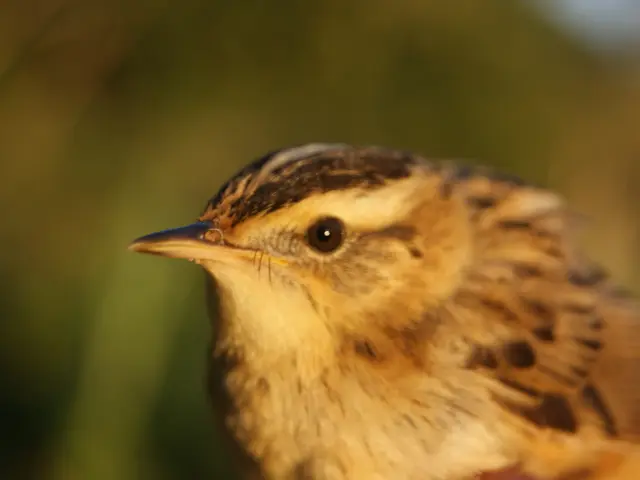
In particular, the Grande Brière is recognised as a major migratory stopover for the Aquatic Warbler, Europe’s most endangered bird. Weighing just 11 grams, this great traveller covers thousands of kilometres every year. During its migration, it only stops for a few days in the Brière marshes to rest and feed before continuing its long journey. Preserving these wetlands is therefore essential to the survival of this species and to the ecological balance of the region.

Welcome to a region recognised as the Best Urban Area for Biodiversity 2025!