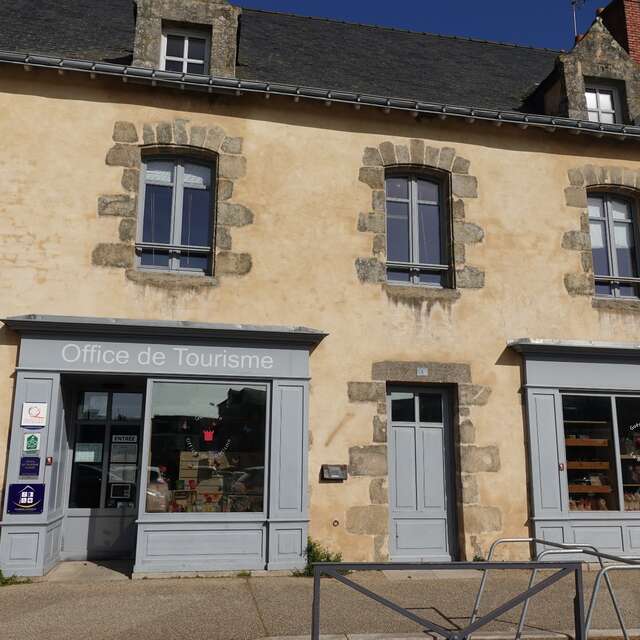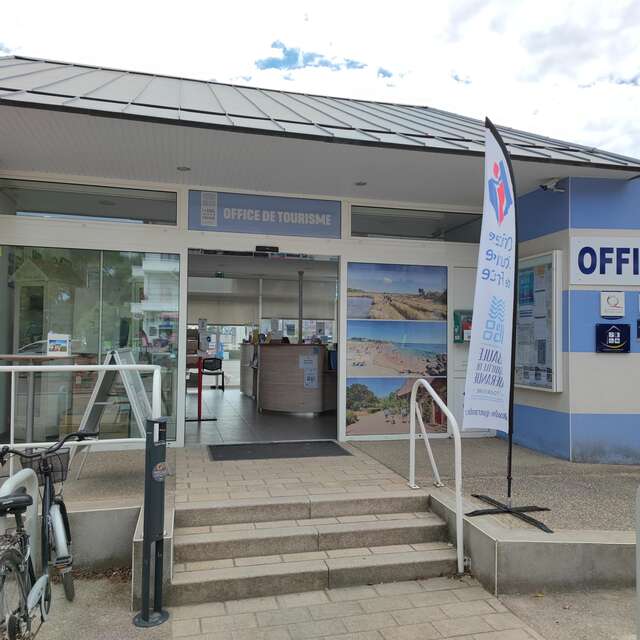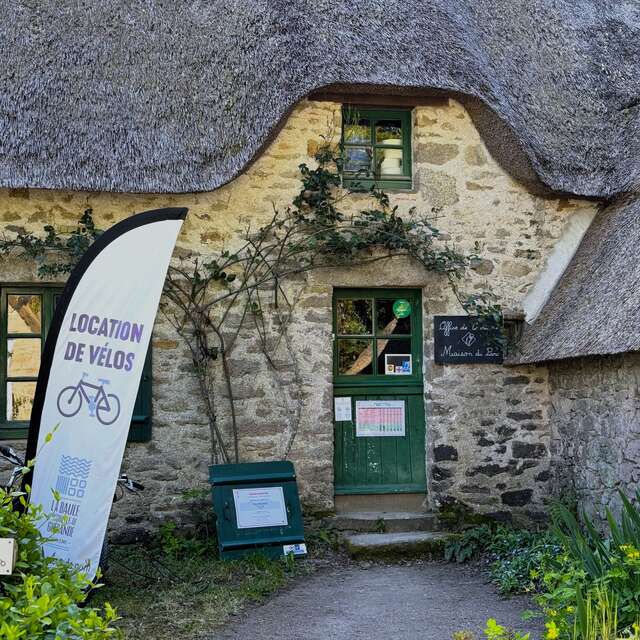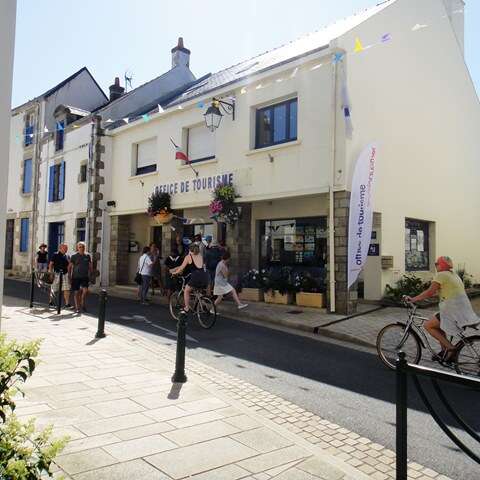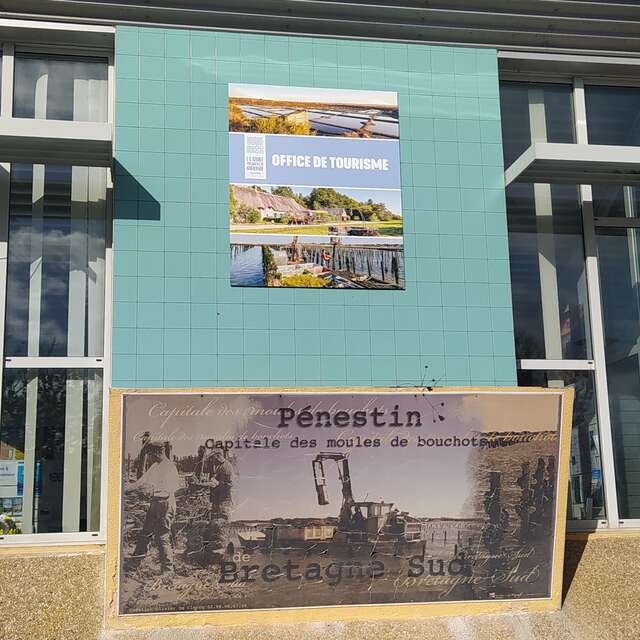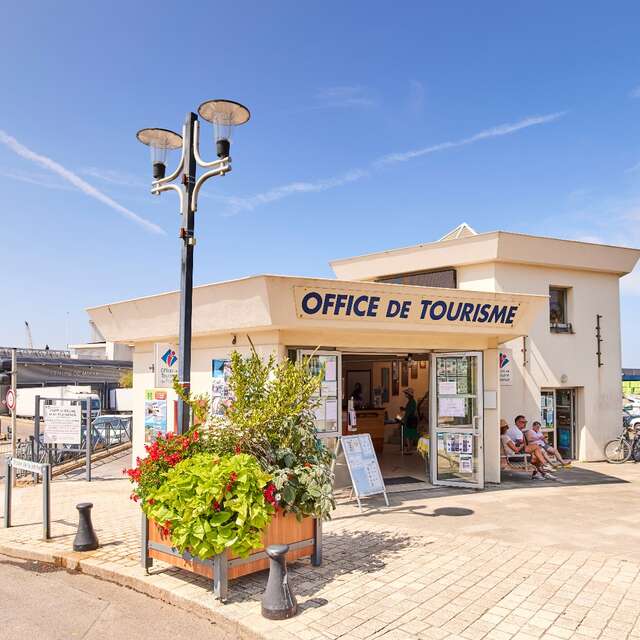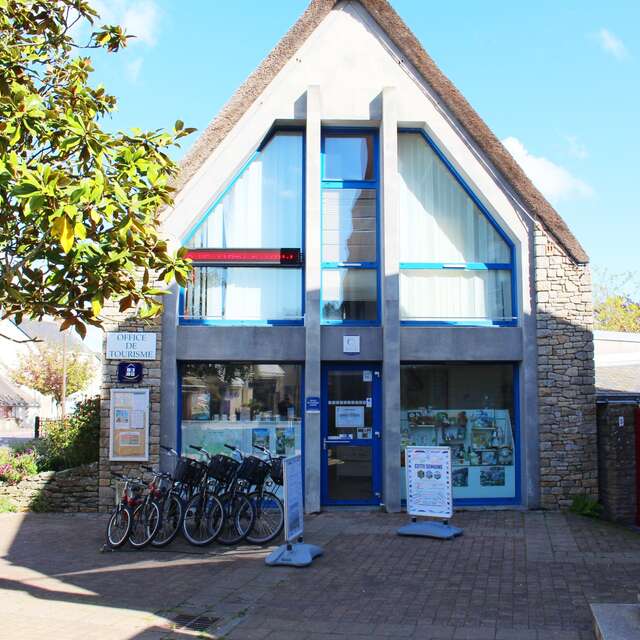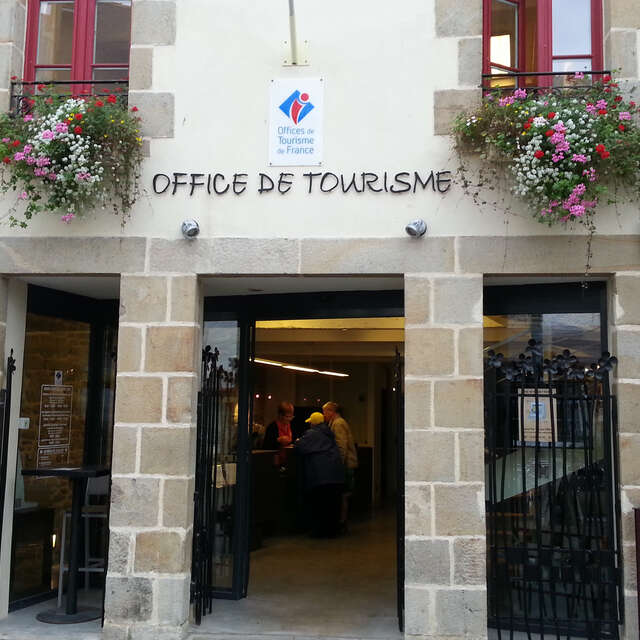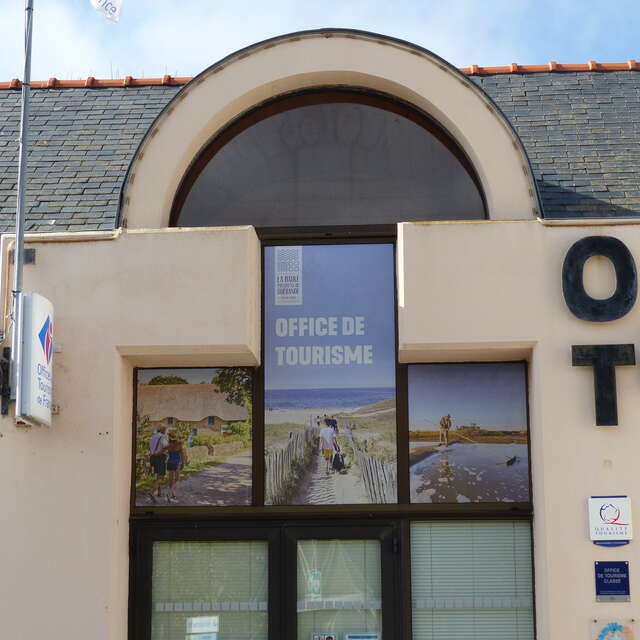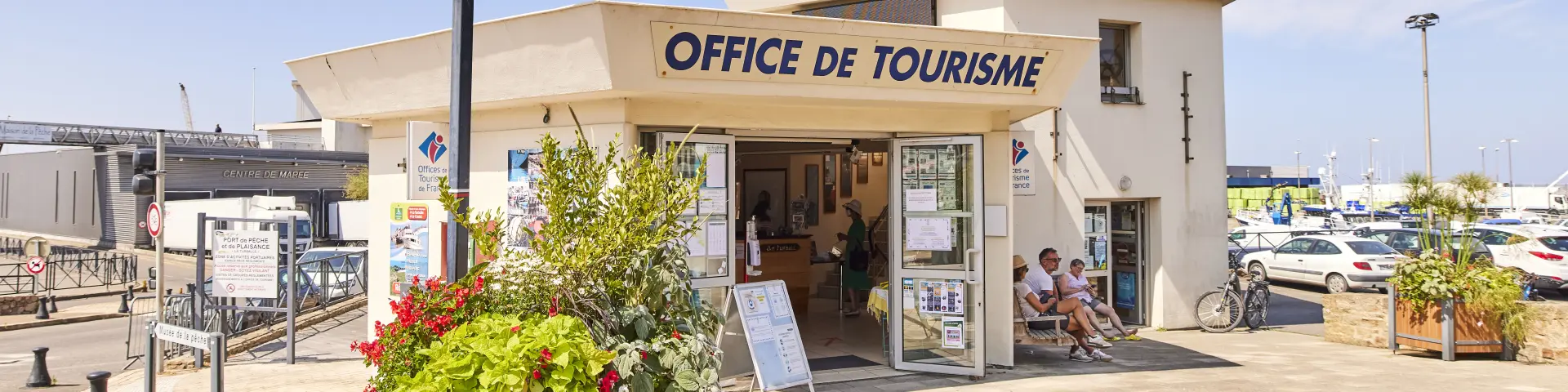
Photo of the front of La Turballe Tourist OfficeLa Turballe Tourist Office
©La Turballe Tourist Office|alexandre lamoureux

Frequently asked questions

Ajouter aux favoris

Do you have a question about La Baule-Presqu’île de Guérande? Our FAQ contains answers to the most frequently asked questions, to help you make the most of your stay with us. And if you don’t find the answer you’re looking for, our team is available all year round to help you.

Getting here and around
  • How do I get to La Baule-Presqu'île de Guérande?

    The destination is easily accessible by car, train, coach or even plane. From Nantes, you can get there quickly by expressway, and parking is available in every commune. La Baule also has an SNCF train station right in the centre, with regular services from Nantes, Paris and several major towns. There are also a number of bus routes between the towns in the area.

    For travellers arriving by air,Nantes Atlantique airport is around an hour away, with shuttle, taxi and car hire services to the peninsula. Once there, you can get around easily on foot, by bike, by car or by regional transport, depending on your needs.

    Find out more here.

  • How can I park for free in La Baule?

    In La Baule, there are several parking solutions for easy access to the town centre and the beach. Along the seafront, you’ll find free zones, ideal for making the most of the day. Other car parks complete the offer, such as the Parking des Salines, linked to the centre by the Maurice-Chevrel bridge, or the Parking de La Poste, which offers one hour’s free parking. The Nord de la Gare car park, in the blue zone, offers disc parking and direct access to the centre via its underground footbridge.

    Depending on the time of day and the season, we recommend that you arrive a little earlier!

  • Getting around during your stay

    Once you’re in La Baule-Presqu’île de Guérande, you can get around very easily thanks to the many means of transport available. Many journeys can be made on foot or by bike, particularly to get to the beach, the town centre or the harbours: there are plenty ofcycle paths and tracks in the area to make getting around as easy as possible.

    For travel between communes, the Lila Presqu’île network offers regular bus routes, complemented by the Aléop regional coaches which serve the whole area. If you prefer to travel independently, taxis, VTCs and car hire are also available.

    Whether you’re travelling a short distance or exploring the whole peninsula, you’ll always find a practical way to get around at your own pace.

    Find out more here.

  • How can I park for free in Guérande?

    For free parking in Guérande, there are a number of options available to you, depending on the time of year!

    The Athanor car park, free and spacious, is perfect for avoiding the narrow streets of the town centre while remaining just a stone’s throw from the ramparts. A little further north, the Gaudinais car park keeps things simple: free all year round, it’s just a few minutes’ walk from the medieval city centre. The Remparts car park, meanwhile, offers free spaces out of season: it has an outdoor section as well as an underground section, making it easy to park in the immediate vicinity of the medieval centre. Finally, the Sainte-Anne car park is still a good option out of season, although some restrictions may apply in summer.

    There are also blue zones in the streets around the centre, ideal for a quick visit with your disc in hand. As you can see, there’s plenty to do when you arrive, put your car down and let yourself be carried away by the charm of the medieval town of Guérande.

During your stay
  • What are the walking routes?

    La Baule-Presqu’île de Guérande offers a wide choice of walks to suit all abilities. The most famous is the GR®34 or sentier des Douaniers, which runs along the coast from Le Pouliguen to Le Croisic via Batz-sur-Mer, taking in the wild coastline, creeks, cliffs and superb maritime views.

    The salt marshes also offer many signposted paths for observing the mosaic of carnations, birds and the work of the salt workers. The communes of Pénestin, Férel, Camoël and Mesquer offer a variety of paths along the coast, hedged farmland, harbours, dunes and banks of the Vilaine, perfect for family walks or longer hikes.

    For a more natural immersion, the paths of the Brière Regional Nature Park allow you to walk between thatched cottages, canals and meadows, in a unique and preserved landscape.

    Our tourist offices provide maps (topoguides etc…) and advice on choosing the itinerary that suits you best.

    To find out more, click here.

  • What cycle routes are there in the region?

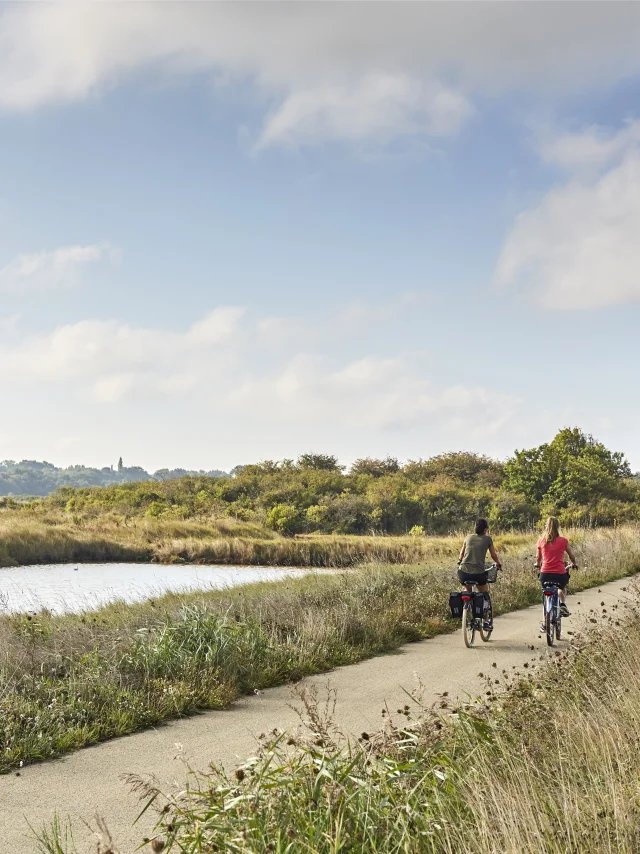
    La Baule-Presqu’île de Guérande is easy to discover by bike, thanks to a number of itineraries to suit all abilities. You can cycle along the coastline from La Baule to Le Croisic, cycle to the salt marshes between Guérande, Batz-sur-Mer and Mesquer, or cycle to the villages and natural landscapes of La Brière. Major routes such as the“Vélocéan ” or the “Traversée moderne d’un vieux pays” offer great escapes along the coast or marshes.

    Tourist offices provide maps (e.g. topoguides, etc.) and advice on choosing a route to suit your level of ability and the type of atmosphere you are looking for: a family outing, a nature trail or a more sporting outing. You’ll also find plenty of rental outlets so you can set off in complete freedom.

    Find out more here.

  • How do the tides work? Where can I consult the timetables?

    The tides are the result of the attraction exerted by the Moon and the Sun on the oceans. Every day, there are two high tides and two low tides, with times that change daily.

    The “tidal coefficient” indicates the amplitude of the tide: the higher the coefficient, the more the sea withdraws and the wider the foreshore.

    On the Guérande peninsula, the tidal range is high enough to reveal a large area of foreshore at low tide, which is why the area is so popular with anglers!

    The tides can be consulted online here, or you can ask for the tide times at any of the Tourist Office offices.

    To find out more, click here.

  • How do you go fishing on foot?

    Are you a fan of clams, cockles, crabs and prawns, or just curious about the sport? Before setting off with your boots and bucket, it’s important to check the quality of the water and the areas authorised for fishing. You can find information on current bans on shore fishing here: In Loire-Atlantique and Morbihan.

    Our selection of spots:

    • Pointe du Bile in Pénestin
    • Pont-Mahé beach in Assérac
    • Plage Benoît between La Baule and Le Pouliguen
    • The beaches of Sorlock and Lanséria in Mesquer
    • The Pointe du Castelli at Piriac-sur-Mer
    • Pointe de Pen-Bron in La Turballe

    To find out which shellfish you can find at our different spots, ask our local experts!

    Find out more here.

  • How to visit the salt marshes

    The salt marshes are a mosaic of colours offering an unforgettable spectacle! This particularly sensitive area needs to be preserved. The area is home to a diverse range of flora and fauna, and is also the workplace of the salt workers. The roads through the marshes are winding, and in summer many farm vehicles transport the salt. And the better the weather, the more salt there is, the more salt is transported… So be on the lookout! To ensure the safety of all users, especially the most vulnerable (children, people with reduced mobility), it is preferable for cyclists to follow only the signposted routes.

    To visit the salt marshes, take a guided tour with an independent salt worker or with Terre de Sel, La Maison des Paludiers orLe Musée des Marais Salants. You’ll be able to walk through the salt marshes, understand how the marshes work, how salt is formed, the work of the salt workers and maybe even take a little white gold home with you!

    Find out more here.

  • How can you discover the Brière marshes?

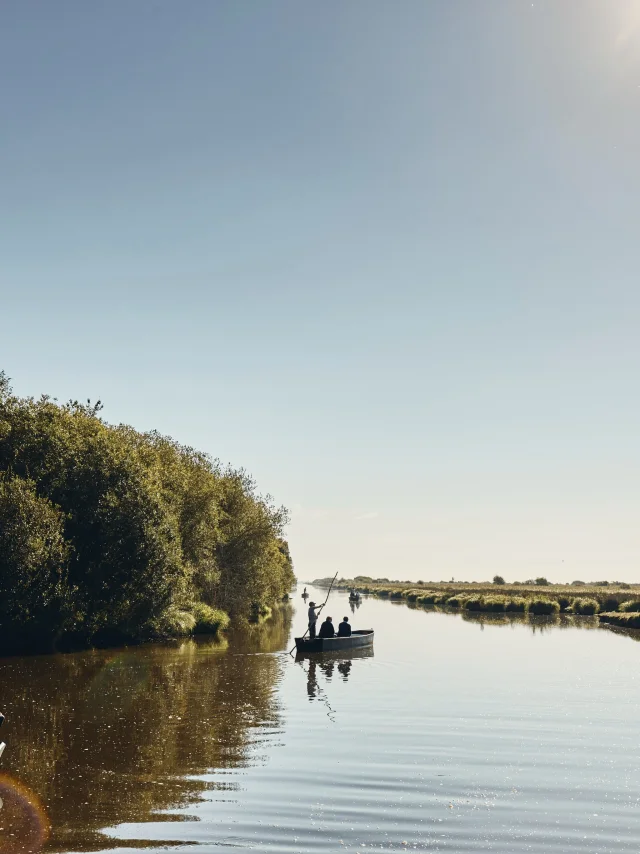
    The Marais de Grande Brière can easily be visited by boat or horse-drawn carriage, two peaceful ways to discover this exceptional nature park and its thatched cottage villages. Departures are from Port de Bréca or Port de la Pierre Fendue, in Saint-Lyphard. Rides last an average of 45 minutes, or 1? hours if you combine a boat and horse-drawn carriage.

    The period fromApril to June is particularly pleasant, when the irises colour the marshes. Dogs are welcome, on a lead, and the boat trips can be made wheelchair accessible with the help of the service providers.

    To find out more, click here.

  • Do you offer guided tours?

    The Tourist Office offers guided tours to discover the treasures of La Baule-Presqu’île de Guérande. Our tour guides will take you to the ramparts of the medieval town of Guérande, the districts with magnificent villas in La Baule, the Brière villages of Saint-Lyphard and many other must-see landscapes in the area.

    Tours can be themed, family-friendly, fun or gastronomic, depending on what you fancy. The full programme and bookings are available from our offices and here, on our website.

    To find out more, click here.

  • How do you get to the islands from your destination, and what essential information do you need to know?

    From La Turballe and Le Croisic, the shipping company Navix offers crossings to Belle-Île-en-Mer, Houat and Hoëdic, mainly from spring to autumn, with more departures in summer. It is advisable to book in advance and check sailing conditions, accessibility and visiting time on each island.

    To find out more, click here.

    Departing from Piriac-sur-Mer, you can reach Ile Dumet with thesailing school, but access is regulated and the island is closed from 1 March to 31 July to protect bird nesting. Visits are only permitted in strict compliance with instructions for the protection of flora and fauna.

    Before embarking, remember to bring suitable clothing, check the services available on site (restaurants, bike hire, accommodation) and contact the Tourist Office to find out about current departures.

Services
  • Where can I find accessible beaches?

    You can find a list of accessible beaches directly from theTourist Office. Our teams update this information every season to show you which beaches have adapted walkways, access ramps or special equipment.

    There are several ways of doing this:

    • Contact us before you come;
    • visit one of our 9 information offices;
    • Consult the Accessibility section of our website here, where you’ll find a list of adapted facilities and services throughout France.

    We’ll point you in the direction of the most accessiblebeaches, depending on your needs and where you’re staying.

  • Where can I take my dog for a walk around the region this summer?

    Dogs are allowed on most of the island, but certain rules apply depending on the place and time of year. From 15 June to 30 September, no dogs are allowed onthe beaches, with only a few exceptions in the evenings and early mornings. There are many footpaths, forests and natural areas where you can take your dog for a walk, as long as you keep him on a lead in busy areas and respect the fauna, flora and other users.

    Dogs are not allowed in the salt marshes, which are protected and private areas. In all cases, remember to pick up after your dog and find out before you go out: the Tourist Office will tell you which areas are authorised and what you need to doto enjoy the area with your dog.

  • Where can I find market timetables?

    There are manymarkets in La Baule-Presqu’île de Guérande and their opening times vary according to the commune and the season. To prepare for your visit, you can consult the full list of markets – days, places and opening periods – directly on our website or at our tourist information offices.

    Whether you’re looking for a traditional market, a night market or local producers, there’s something for everyone!

    Find out more here.

  • What's on at the moment in the region?

    All year round, the region is alive with awide variety of events: concerts, guided tours, markets, festivals, nature outings, cultural events and family get-togethers. To find out what’s on, visit theonline calendar on our website or our tourist information offices.

    Our teams update the events as the seasons go by to help you easily find what to do during your stay, whether you’re with the family, as a couple or with friends.

    Find out more here.

  • Where can I find motorhome parks?

    The region has a number of motorhome parks in various communes, with services adapted to each site (parking, emptying, water, etc.). To prepare your stopover, you can consult the list of sitesdirectly on our website or visit our tourist information offices.

    Our teams will point you in the direction of the caravan parks nearest to where you’re staying, as well as the authorised car parks, depending on the time of year and local regulations.

  • Where can I book my outings and take advantage of special rates?

    The Tourist Office offers ticketing for a number of activities, visits and outings in the area. Depending on the partners, you can even benefit from preferential rates by booking directly at our offices or via our booking platform. This is particularly the case for certain walks in the Brière area or for seasonal events.

    Our teams can advise you on availability, timetables and current offers, so you can choose the activity that suits you best. To find out about all the ticketing options available, please consult the dedicated brochure or check out the online ticketing offers.

Practical info

Your Tourist Office There are 9 reception points throughout France!

Located throughout La Baule-Presqu’île de Guérande, our 9 Tourist Information Offices are open all year round. They offer personalised advice, ideas for outings, shops selling local and responsible products, low-cost ticketing and many other services of interest to locals and visitors alike.